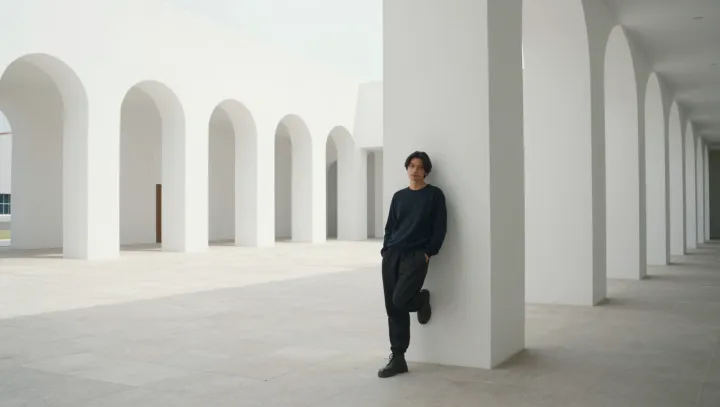
Crisp summer outfits on men rarely start with bare arms and open chests; they start with fabric that knows what it is doing. The paradox is simple: in real heat, the most polished looks often add a light, structured layer instead of stripping one away.
The body’s thermoregulation relies on convection and evaporation, not just naked skin meeting hot air. A loose cotton shirt or unlined blazer in breathable fibers creates a microclimate, trapping a thin layer of air that buffers radiant heat while allowing sweat to evaporate. Direct sun on exposed skin increases heat load, while a pale, airy layer reflects light and manages moisture more predictably than sunscreen and wishful thinking. The goal is not maximum exposure, but controlled airflow and controlled contact.
Style logic points in the same direction. A light overshirt, camp shirt, or soft blazer carves a clearer shoulder line and lengthens the torso, tightening the silhouette the way good framing tightens a photograph. Raw skin breaks the vertical line into scattered patches; clean layers restore proportion, guide the eye, and hide the inevitable clinging or creasing of a single T shirt. When the fabric is light, the structure does the work: it edits the shape, balances shorts or wide trousers, and signals intention rather than accident.
Modern menswear quietly treats summer layering as a design tool, not a seasonal contradiction. The result is a look that runs cooler in physics, and sharper in the mirror.