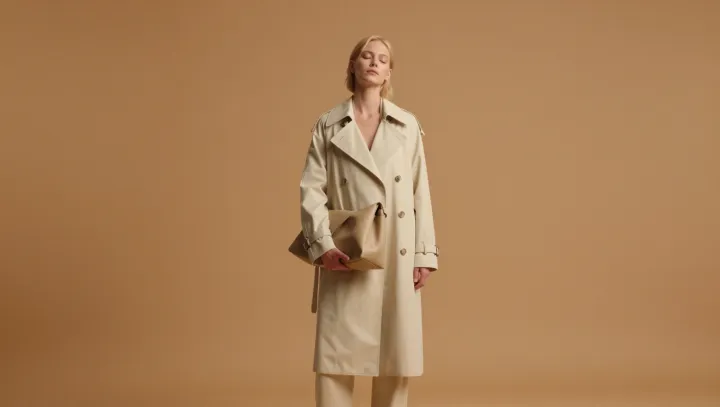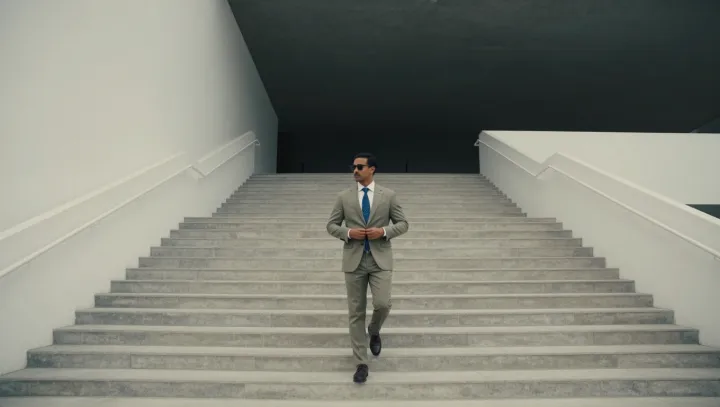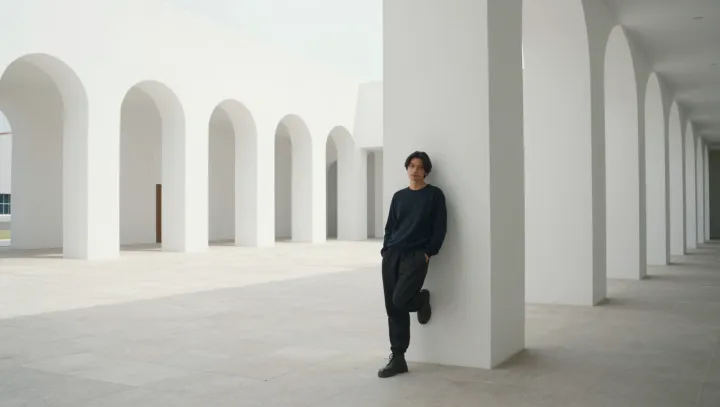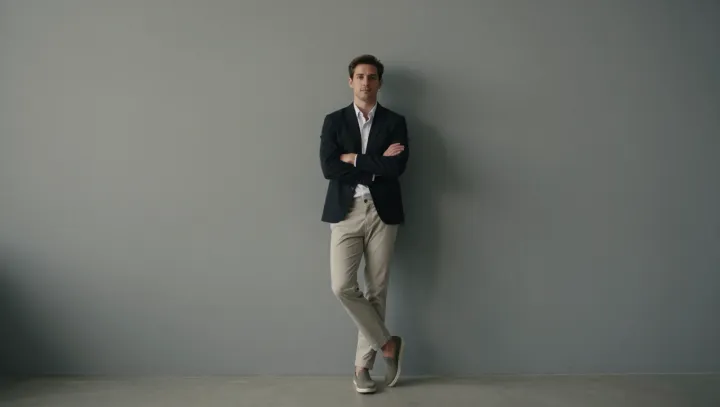
A single bolt of fabric can split one career into two storylines. Change only the collar shape, the fit lines, and the contrast ratios, and the same shirt starts telling opposite stories about authority, competence, and seniority.
Collar geometry acts like a frame around the face, manipulating visual hierarchy much as marginal effects shift outcomes in an economic model. A narrow, collapsing collar pulls the eye down and in, making the head appear smaller and the posture less stable. A structured spread collar extends the perceived width of the shoulders, anchors the neck, and concentrates attention at eye level, where leadership signals are read first.
Fit lines then determine how that story travels through the torso. Clean, slightly shaped seams create continuous vertical lines that echo the logic of entropy: they minimize visual noise, guiding the gaze in a straight, energy-efficient path. Boxy or pulling fits introduce creases that act like random variables, scattering attention and making the wearer look as if he is still adapting to the environment rather than directing it.
Finally, contrast ratios between shirt, skin, hair, and any tie or jacket fine-tune the signal. High but controlled contrast around the collar and placket sharpens facial features and suggests deliberate choice; low or chaotic contrast blurs edges and makes the shirt feel borrowed. The fabric never changed, yet the visual narrative swings from candidate to apprentice in the space between a collar point and a seam line.