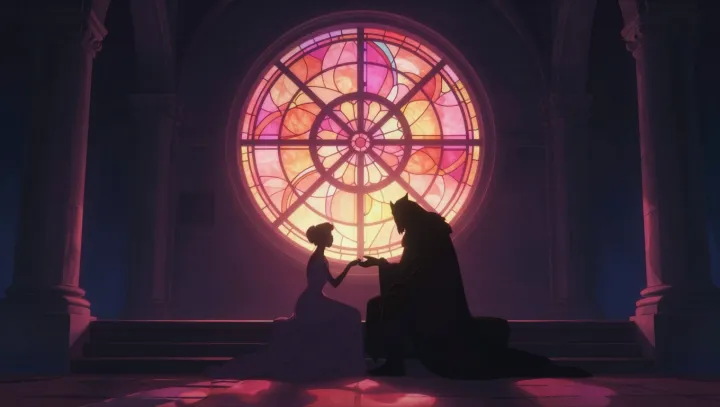
A lavish ballroom, a frightened village and a locked door did more cultural work than any lecture on dating ethics. The cartoon often dismissed as a sugary fairy tale quietly staged a seminar on power imbalance, coercion and what attraction really means. Behind the talking furniture sat a story that made looks the decoy and emotional intelligence the main plot device.
The narrative places a young woman in an explicitly asymmetrical arrangement: captivity, surveillance, a curse that encodes social stigma. Yet the script keeps returning to consent as a non‑negotiable threshold. She refuses dinner, refuses conversation, refuses to perform gratitude, and the story validates those refusals instead of punishing them. Only when the Beast learns to regulate anger, respect boundaries and accept the possibility of permanent rejection does the romance track unlock. The tale treats empathy, active listening and behavioral change as preconditions, not decorative virtues.
Crucially, the film also detonates the surface metric of desirability. The conventionally handsome suitor is framed as emotionally illiterate, while the Beast’s arc reads like a case study in building relational capital: relinquishing control, offering informed choice, tolerating uncertainty. Beauty does not fall for a face; she responds to consistent prosocial behavior. Long before mainstream conversations about gaslighting, consent culture or emotional labor, this so‑called children’s movie smuggled in a different KPI for romance: character under pressure, not aesthetics under spotlight.