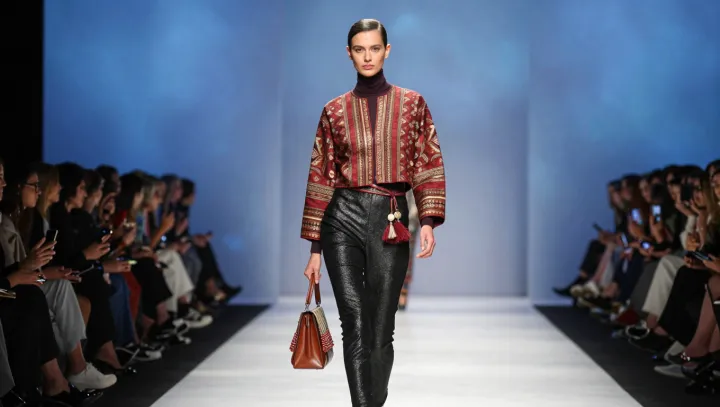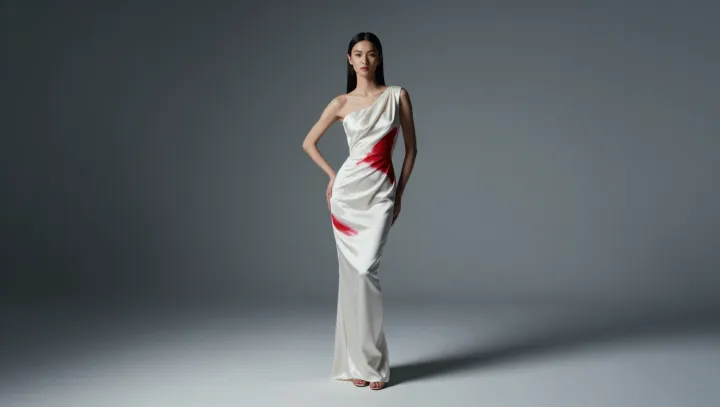
Fabric on skin becomes a quiet experiment when heat climbs to desert levels. A single summer dress can act as both shield and spotlight, depending on how it handles light and how it frames the body. Switch the color and hemline, and the same garment starts to negotiate two different kinds of comfort at once: physiological and social.
On the physical side, color changes how much solar radiation the fabric absorbs or reflects, altering radiant heat gain and the load on your thermoregulation system. Pale tones reflect a larger portion of the spectrum, easing the work of vasodilation and sweat evaporation, which stabilizes core body temperature. A slightly longer, looser hem also shapes convective airflow, creating a column of moving air that behaves like a passive cooling system around the legs.
Psychologically, the same dress in a saturated, darker shade can project authority because of long‑learned color associations and social signaling. A sharper hemline that cuts closer to the knee or mid‑calf changes body proportions, feeding into schema about professionalism and status. The dress has not changed its fabric or cut in any fundamental way; instead, small shifts in wavelength and geometry reprogram how your nervous system calculates both heat and power in the mirror and in the room.