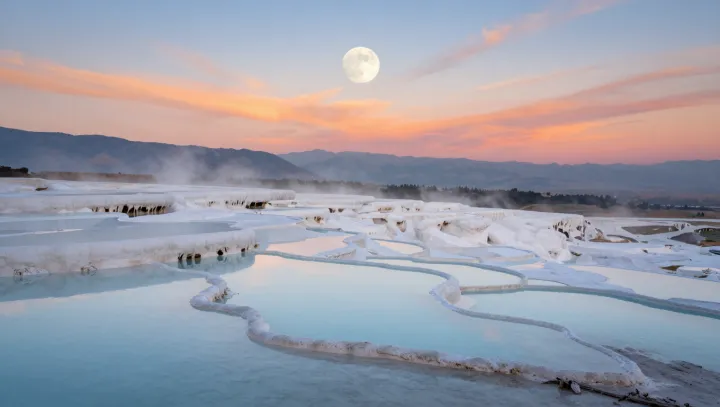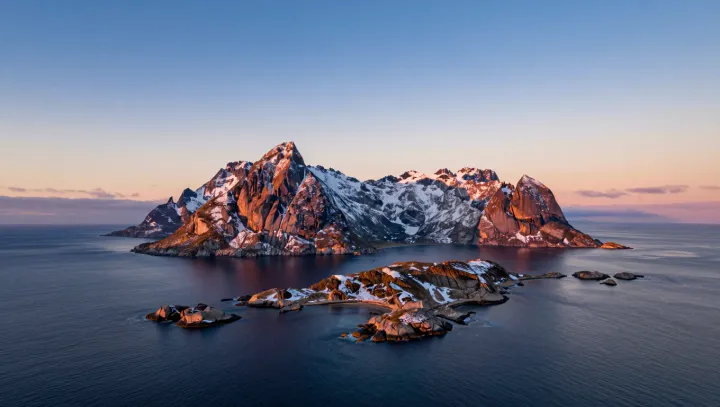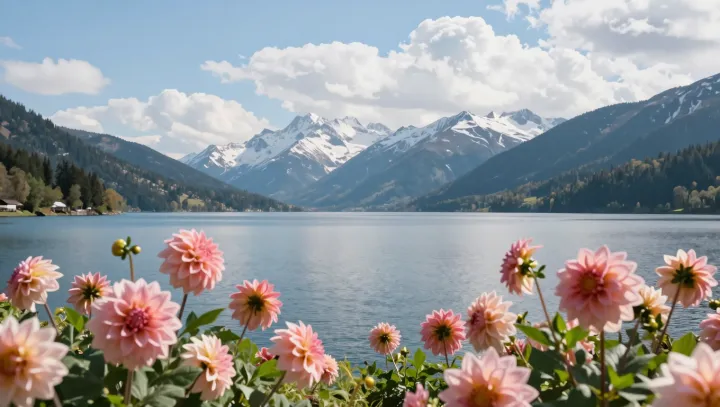
A mountain does not gently change; it switches. Just a small drop in air temperature with height, the environmental lapse rate, redraws its entire surface from a bright carpet of wildflowers to a hard white shell of snow and ice.
This sharp contrast is no mystery; it is basic physics with ruthless consequences. Air cools as it rises and expands, roughly a few tenths of a degree per hundred meters, so the freezing point slices across the slope like an invisible border, deciding where water stays liquid and where it locks into ice. Below that line, liquid water feeds soil microbes, root systems and photosynthesis, letting alpine plants sprint through a brief growing window. Above it, phase change traps water as snowpack, delaying meltwater and halting plant metabolism for long stretches.
The real surprise is how feedbacks exaggerate this modest temperature shift. Dark summer soils and leaves absorb solar radiation, while fresh snow, with high albedo, bounces much of that energy back into the atmosphere and helps keep upper slopes cold. That contrast in surface energy balance strengthens the divide between blooming meadows and a frozen white world, even when thermometers differ by only a handful of degrees and the summit stands just a short climb away.