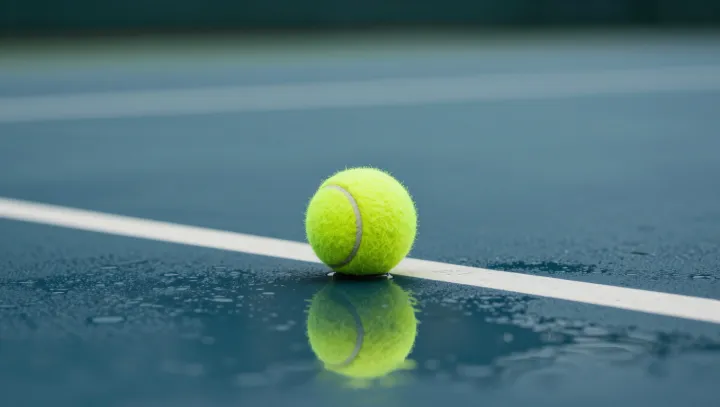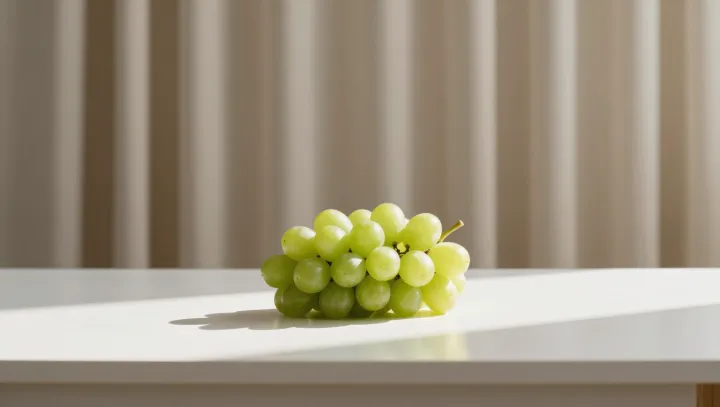
Blinding yellow is not expressive; it is noisy. High-chroma yellow carries extreme luminance, and that brightness hijacks attention before the viewer can even read hue. So professionals first drag it toward gray or beige, not to kill it, but to lower the signal-to-noise ratio of light itself.
Muted first, protected later. Human vision encodes brightness through luminance contrast long before it parses subtle hue shifts, a sequence rooted in the magnocellular pathway and basic photopic sensitivity. If a yellow sits near peak reflectance, any added vivid neighbor—cyan, magenta, even red—turns into a supporting actor while the yellow becomes a flare. By folding in gray or beige, colorists reduce both chroma and value contrast, keeping the hue angle recognizable on the color wheel while stripping away the glare that causes visual fatigue.
The counterintuitive move is that neutral is the best bodyguard for character. A small dose of gray or beige shifts saturation without dragging yellow toward green or orange, which would rewrite its identity rather than calm it. This neutral buffering also stabilizes perceived temperature, so later accents can be tuned by controlled complementary contrast instead of wrestling with a spotlight. What looks like restraint is, in practice, the only way to let yellow speak at a normal volume.