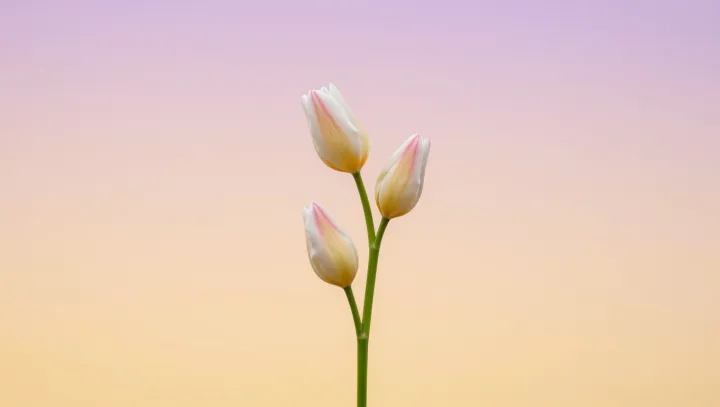
Dawn is not a romance for flowers; it is a deadline. Many buds stay locked through the night, then snap open when first light and warmth hit, a schedule enforced by internal sensors that behave less like poetry and more like hardware.
Plants, far from passive, run a tight timing system. Short genes-based oscillators, known as circadian clocks, cycle in their cells and prime tissues for petal movement hours before sunrise, so opening can happen within minutes once external cues match the internal phase. That timing aligns pollen release and nectar exposure with the peak activity of bees, moths, or flies, which treat early access like an exclusive window.
Energy economics drives the rest. Closed buds reduce transpiration and protect fragile reproductive organs from cold air and nocturnal herbivores, while mechanical structures in the petal base respond to temperature gradients through differential cell expansion and turgor pressure. Photoreceptors such as phytochrome and cryptochrome read subtle shifts in light wavelength and intensity, acting like optical switches that confirm morning has truly arrived, not just a passing flash of lightning.
The result is ruthless precision, not whimsy. A bud that opens too early wastes water and risks frost damage; one that opens late loses pollinators to a competitor a few meters away. In that narrow margin between dark and day, flowers run a quiet contest in timing, and only the best synchronized earn a visit.