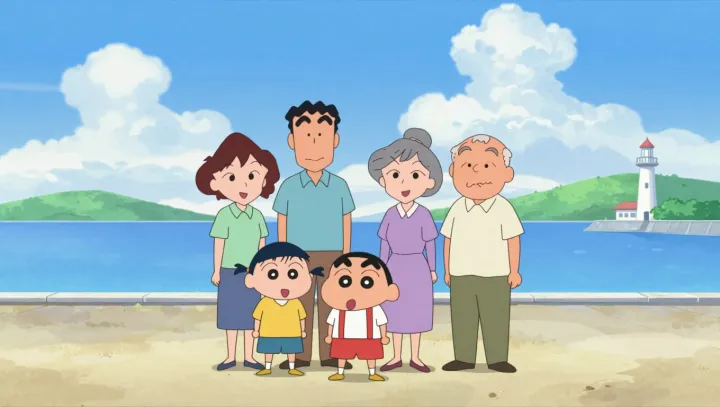
A single still frame may be a tougher witness than any diary. In a quiet cartoon of three generations on a beach, nothing moves, nothing explains itself, yet the fixed geometry of towels, umbrellas and bodies works like a control group in an experiment, holding conditions constant while the viewer’s own autobiographical memory supplies the variable.
The blunt claim is this. If the picture feels warm only after you start narrating, you are probably watching nostalgia, not memory. Cognitive psychologists point out that episodic recall and semantic storytelling recruit different neural circuits in the medial temporal lobe, and a static family scene exposes that split: first comes the raw flash of affect, then the commentary you have rehearsed for years about perfect summers and uncomplicated love.
More unsettling is the way the cartoon’s strangers act as placebo relatives. Their faces are generic, their postures schematic, so any surge of comfort or ache arises from your own encoding and reconsolidation processes, not from expressive detail on the page. Trace the first half second of reaction and you sample something like baseline data; notice the later flood of explanation and you catch the brain’s editorial layer at work, quietly rewriting the beach you think you grew up on.