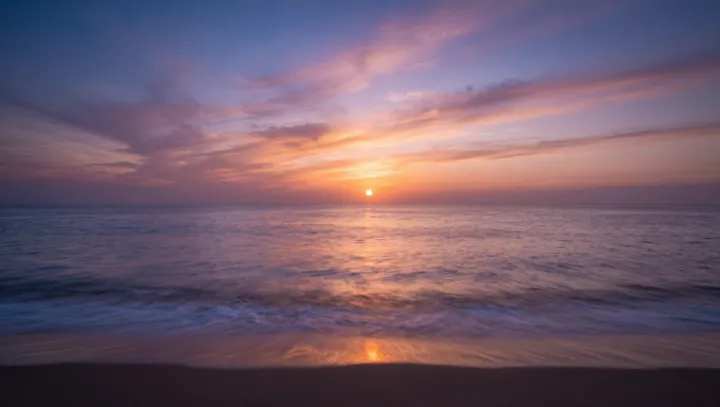
Dusk does more than paint the sky; it quietly edits your nervous system. As light levels fall, the visual field simplifies, and that reduction in sensory novelty lowers activation in the brain’s default mode network, the chatter-heavy circuit linked to self-referential thought and rumination.
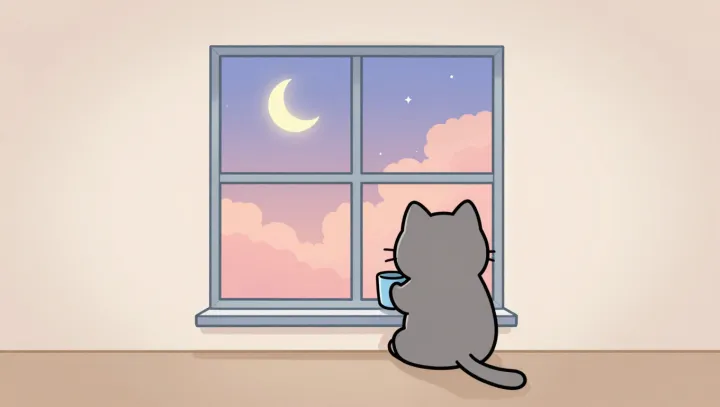
The real surprise is how physical this feels. A fixed, distant view through glass reduces rapid eye movements and cuts the constant micro-orienting that keeps the sympathetic branch of the autonomic nervous system slightly on edge, so heart rate variability rises and pulse slows in a pattern similar to light non‑rapid eye movement sleep. Add the mild vasodilation triggered by holding a warm mug, and baroreceptor feedback leans the body further toward parasympathetic dominance, the same cardiovagal balance clinicians associate with recovery.
Rest, then, is not only about closed eyes. With posture supported, muscles unloaded and cognitive demand low, the brain can divert energy to synaptic homeostasis and astrocyte-driven clearance processes usually associated with off-duty states, while subjective time stretches just enough to register as a break. For many people, that quiet, motionless gaze becomes a low-tech intervention that mimics key elements of a short nap without requiring sleep itself.