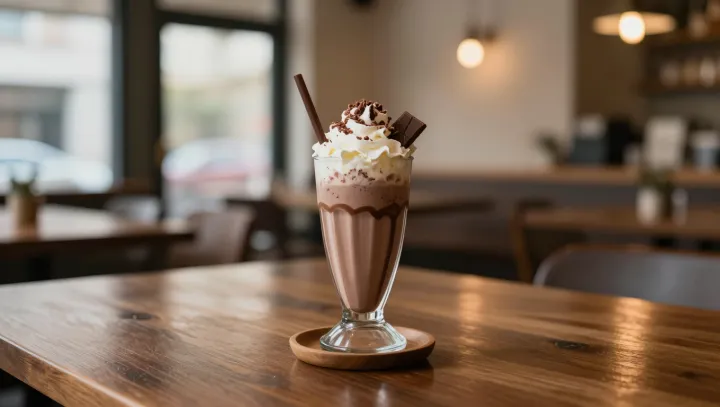
Cold foam on a plastic lid can outclass a plated dessert in pure pleasure. Not on price or craft, but on the way it hijacks sensory wiring. A chocolate shake served just above freezing numbs taste receptors slightly, while still activating trigeminal temperature fibers and mechanoreceptors in the tongue, creating a thick, heavy mouthfeel that pastry creams at a warmer service point rarely match.
More decadent than it deserves to be is the whipped cream itself. Those microscopic fat droplets, stabilized in an airy emulsion, melt right at oral temperature and flood the mouth with triglycerides, triggering oral fat receptors and amplifying viscosity signals. Because the shake stays cold and the cream sits warmer at the top, the brain reads a rapid shift in viscosity and temperature as contrast, and contrast is a cheap way to spike reward circuits without changing ingredients.
Most underrated in this quiet trick is aroma. Volatile cocoa and dairy compounds are trapped in the fat phase, then released in bursts as the cream collapses and the shake warms by a few degrees, driving retronasal olfaction far more aggressively than a neat, chilled, geometrically perfect dessert on porcelain. You taste luxury not because the shake is better food, but because it is better at gaming your sensory hardware.