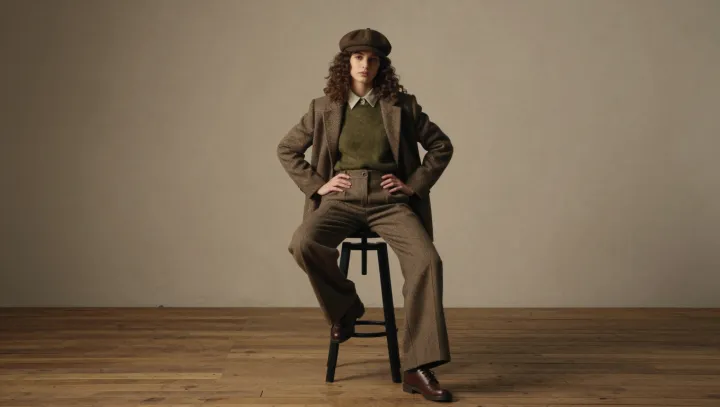
Visual noise, not shyness, often flattens a person’s presence. A high‑contrast outfit floods the eye with competing signals, while a plain cream dress behaves almost like a dimmer switch, lowering stimulation so the viewer’s brain can allocate more resources to your stance and face. Cognitive scientists call this selective attention, and it punishes clutter, whether on a screen or on a body.
The bolder the pattern, the more the visual cortex works on edges, color borders and movement, which quietly steals processing capacity from social decoding systems that track micro‑expressions and gaze direction. A low‑contrast, near‑monochrome dress reduces that load. Suddenly posture, head tilt, and even blink rate become easier to read, so confidence is inferred more quickly and with fewer errors. You seem steady. You seem sure.
Attraction follows the same logic. Studies on face perception and signal detection show that when background detail drops, observers rate the same face as more trustworthy and more attractive. The outfit has not made anyone objectively better looking; it has simply removed interference. In the calm field of that cream fabric, every tiny cue of warmth, poise or authority lands cleanly, and the brain, grateful for the clarity, upgrades its verdict.