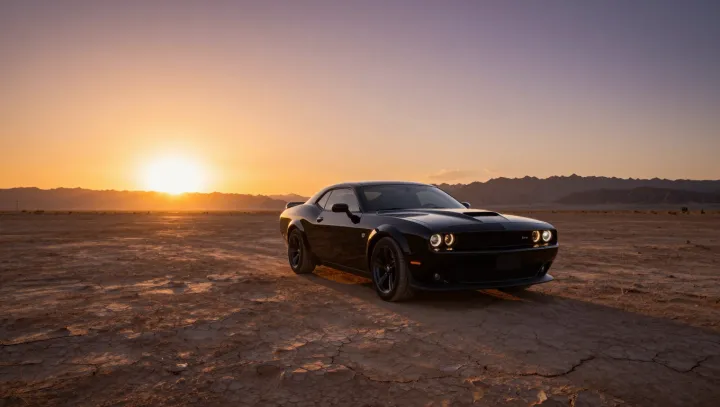
A 4,400‑pound, retro Hellcat counts as modern performance because excess, not efficiency, defines this badge. Power figures near or above 700 horsepower simply erase mass in real‑world acceleration, and that thrust, routed through advanced traction control and electronic stability control, hits the same performance benchmarks that lighter, more efficient sports cars chase by other means.
What looks outdated on paper is, in hardware and software, anything but antique. The supercharged V8 may waste energy compared with turbocharged downsizing, yet its forced‑induction torque curve, high‑capacity cooling system and robust driveline design deliver repeatable launches that satisfy contemporary metrics for zero‑to‑sixty and quarter‑mile times, while massive brake rotors and multi‑piston calipers manage the kinetic energy that its curb weight creates.
The real twist is that modernity here is cultural as much as mechanical. Digital optimization arrives not through hybrid power electronics but through configurable drive modes, adaptive damping and electronic power steering maps that let drivers tailor an old‑school layout to current expectations for refinement and control. Aerodynamic drag and mass remain stubborn, yet connectivity, active safety systems and emissions compliance keep this coupe anchored in the present, even as its silhouette points backward.