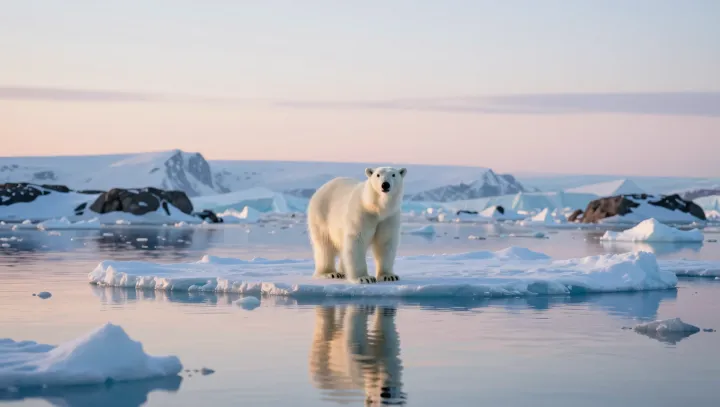
Sea ice, not the bear, is the real hunter here. On this mobile white platform, an apex predator can detect the scent of a breathing hole almost a kilometer away, then wait in stillness until a ringed seal must surface. That frozen sheet is not scenery; it is the operating system that links acute olfaction, stealth, and the high fat prey that powers a massive body.
The harsh truth is that sensory brilliance means nothing when the hunting ground disappears. As seasonal ice breaks earlier and forms later, bears are forced into longer fasting intervals that exceed what their adipose tissue and basal metabolic rate were shaped to endure. Fewer successful ambushes mean fewer kilocalories from blubber, yet the energetic cost of swimming and walking on broken floes rises. Bioenergetics models show a widening gap between required intake and available prey access, even where seal numbers remain stable below the ice.
The deeper failure is structural, not behavioral. This species is optimized for a platform hunt, not for open water pursuit or terrestrial scavenging, so evolutionary adaptation lags behind rapid sea ice decline. As the ice edge pulls away from continental shelves, the hunting stage keeps receding, like a moving shoreline that never lets the predator step fully onto it.