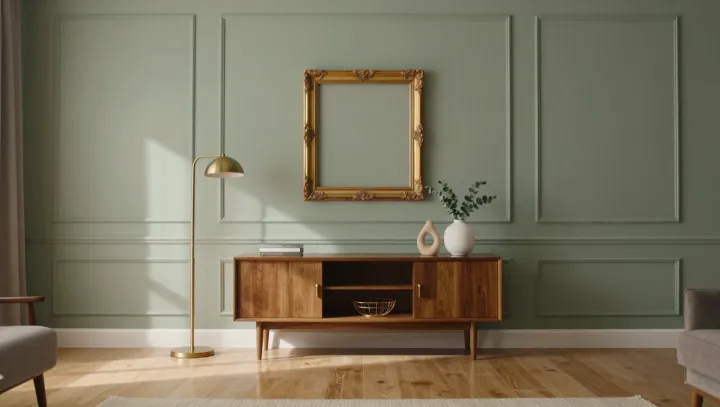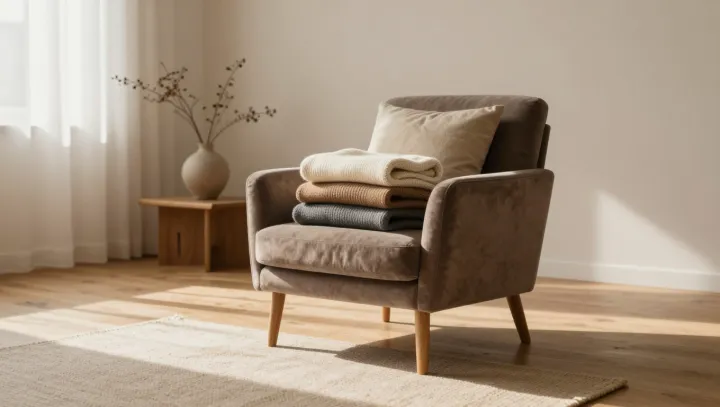
Soft light on a plain wall does more work on the brain than a shelf of candles and cushions. That is the uncomfortable finding emerging from labs studying sensory input and stress physiology. When a corner holds only warm neutrals, a lamp, and a couple of layered knits, the visual system receives a low-information scene; electroencephalography shows reduced high-frequency activity linked to hypervigilance.
The blunt truth is that most so-called cozy rooms overload cortical processing. Every mug, print, and throw adds edges, contrast, and micro-decisions that drive up sensory load. Functional magnetic resonance imaging studies of cluttered interiors report stronger activation in the dorsal attention network and in the amygdala, a pattern associated with threat monitoring and cortisol release. A restrained corner, by contrast, presents broad fields of similar hue and texture, which the visual cortex can encode with minimal firing, freeing prefrontal circuits for mind-wandering and memory consolidation.
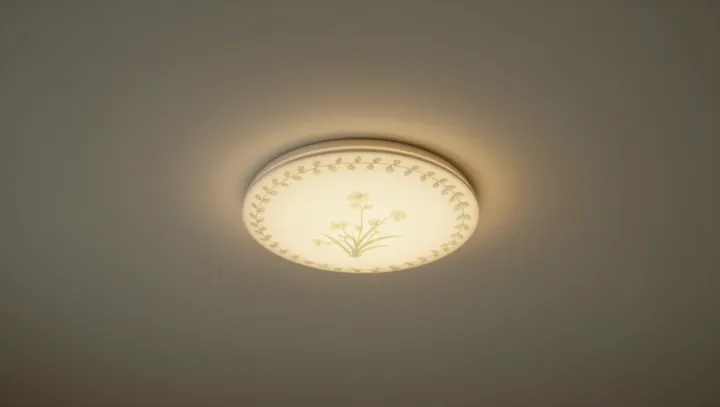
Calm, then, is not a mood board; it is an energy budget. Warm neutrals reduce chromatic noise. Indirect, soft light limits luminance shifts that force constant pupil and autonomic adjustment. A single chunky knit over a finer knit gives the somatosensory system one clear, predictable signal instead of a barrage of competing cues. In that almost empty corner, the body has fewer variables to track, and the brain, for once, can afford to idle.