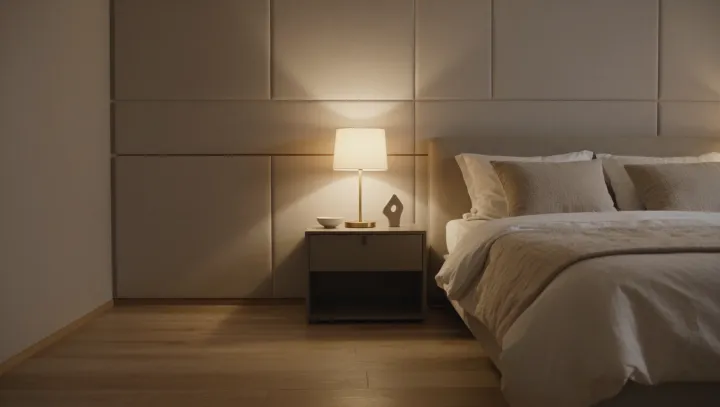
A sunlit reading nook is not soft décor; it is a nervous‑system device. Light on paper, a chair wedged near glass, a slice of sky in view: together they recreate the same sensory pattern that makes a forest walk feel safe. What looks like interior styling is, in neurobiological terms, a targeted intervention on stress circuitry.
The key claim is blunt: a bright corner with a stable view can push the body out of threat mode. High‑contrast daylight hitting the retina drives the visual cortex in a way artificial lighting rarely matches, boosting serotonin synthesis and stabilising circadian rhythms, which in turn dampens baseline cortisol. When that light falls on near objects like bookshelves instead of screens or traffic, the amygdala receives fewer novelty and danger cues, allowing the hypothalamic–pituitary–adrenal axis to idle instead of firing.
The second, less obvious effect is cognitive. A predictable, gently varied scene—a window with trees or even moving clouds—nudges the default mode network toward the same low‑effort, associative state seen in studies of nature exposure. Heart‑rate variability improves, prefrontal control loosens its grip, and attention flickers between text and view without the penalties of multitasking. Call it a pocket park for the brain, built from sunlight, angles, and one quiet chair.