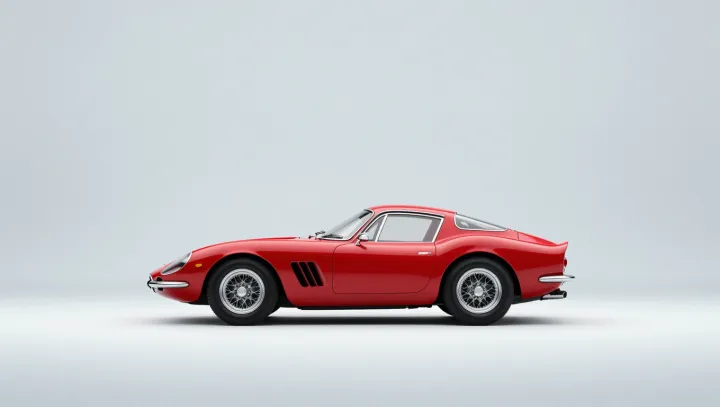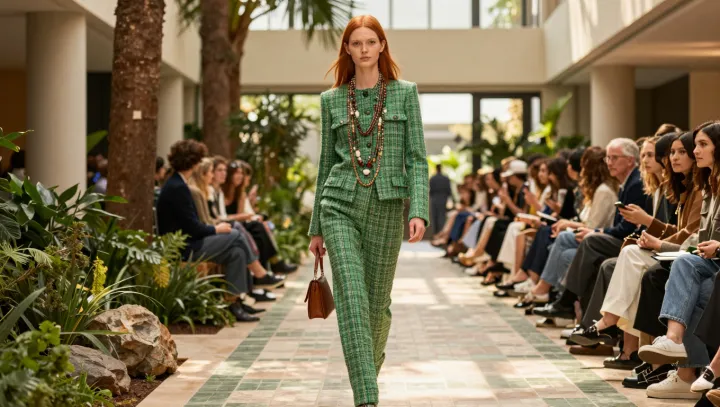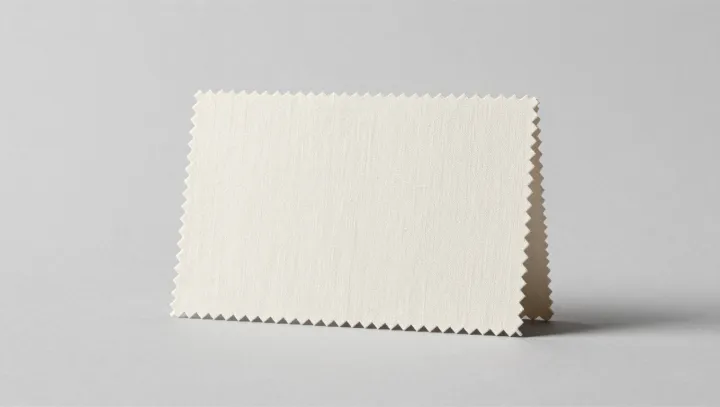
Ultra-light grey, almost indistinguishable from white, keeps winning the luxury game even against richer color schemes. The effect begins in the eye, where contrast sensitivity and color constancy filter reality before it reaches the brain. Against this neutral baseline, any slight variation in texture, shadow or material reads as deliberate, not accidental.
Designers often describe the look as calm, but underneath sits a logic closer to entropy management. A nearly colorless field lowers information density, so the visual system performs less “decoding work” per square inch. That frees cognitive bandwidth to notice edge definition, join quality, and micro-reflections on stone, metal or fabric, which act as cues of high production value and meticulous finishing.
Ultra-light grey also amplifies marginal effects in space perception. Small increases in daylight, ceiling height or surface smoothness produce outsized gains in perceived openness when the envelope is desaturated. In social terms, this restraint signals surplus: it suggests the owner can spend on invisible details—acoustic insulation, custom joinery, integrated technology—rather than loud pigments. The color almost disappears, leaving craftsmanship and geometry to carry the message of luxury.