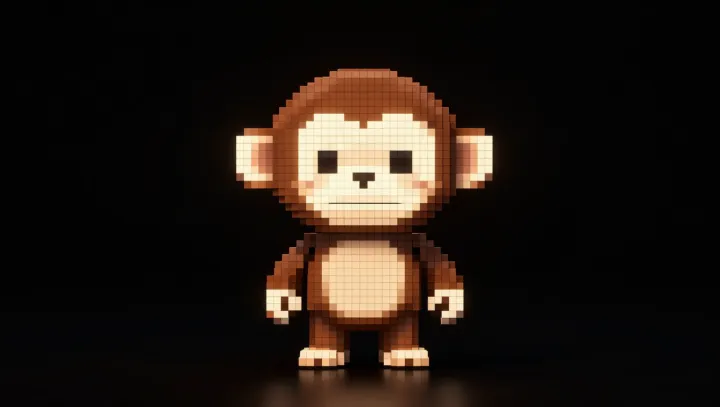
A cartoon monkey on a screen‑printed T‑shirt quietly made the jump from niche graphic to standalone lifestyle brand, then survived the shutdown of the company that bought it. The logo kept moving even when the balance sheets around it stopped.
The story begins with a graphic designer experimenting with screen‑printing as a side project, treating the monkey as a simple visual asset rather than a business. Demand turned that illustration into intellectual property, and retailers turned it into a recognizable mark. As distribution widened, the character gained brand equity that no longer depended on any single product line, only on its visibility in wardrobes, ads and collaborations.
When a larger company acquired the character, it tried to plug the monkey into a scale‑up playbook: expand categories, license globally, optimize margins. That decision shifted the monkey from artwork to platform. Licensing deals decoupled the character from one firm’s cash flow, creating a network effect across manufacturers and regions. Even when the parent company later disappeared, contracts, trademarks and consumer memory kept the brand in circulation, allowing new operators to step in and reactivate the asset rather than rebuild trust from zero.
The creator’s initial side hobby thus became a case study in how narrative, distribution and legal structure can outlast any single corporate owner, leaving a cartoon primate as the most durable line on an otherwise erased organizational chart.