A mountain flower did what laboratories could not. On the cool volcanic slopes of central Mexico, wild dahlias stored a dense carbohydrate in their swollen tubers, and that biochemical quirk quietly set up a future in which doctors could test diabetes without touching a vial of insulin.
The counterintuitive part is simple. A plant famous for showy petals first mattered for what nobody saw. Dahlia tubers are rich in inulin, a fructan polymer that resists digestion in the small intestine yet can be hydrolyzed to yield a controlled glucose load. That made them a ready biological source for early oral glucose tolerance tests, long before synthetic standards were routine. Inulin’s predictable kinetics inside the human gut, and its limited effect on pancreatic beta cell stimulation compared with starch, turned this mountain vegetable into a quiet diagnostic tool.
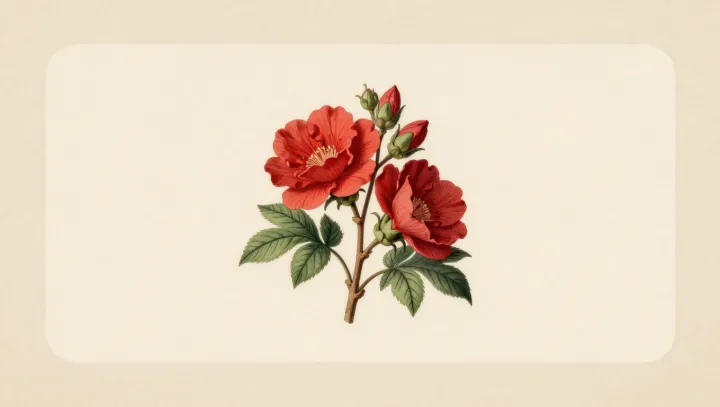
At the same time, another judgment feels obvious. Horticulture did not fall for dahlias by accident. The same species that hid pharmaceutical potential in storage parenchyma offered an almost engineered architecture above ground, with radial symmetry, saturated pigments, and highly mutable inflorescence morphology. Breeders could leverage that plasticity to create a catalog of forms, from tight pompons to giant decorative heads, building a commercial moat around dahlia cultivars in the global cut-flower trade. One organ fed metabolic assays; the other fed an appetite for spectacle, and the two economies never really competed.