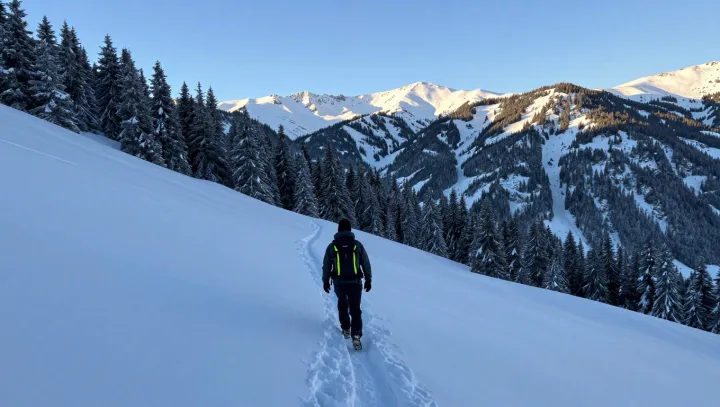
Thin air, not cheap boots, is what usually sends first timers back down the mountain. Cold and low oxygen strip away illusions fast, because physiology cannot be upgraded at a store counter. As air pressure drops, arterial oxygen saturation falls, pushing the body into hypoxia long before a jacket reaches any real limit.
Gear marketing suggests insulation solves risk, yet most early evacuations are driven by acute mountain sickness, not torn shells. Headache, nausea, and confusion track with changes in cerebral blood flow and ventilation rate, not with fabric labels. Without staged acclimatization, capillary perfusion and hemoglobin function lag, reaction time slows, and judgment erodes on exposed ridges where small errors become rescue calls.
Cold adds a second, quieter threat. Peripheral vasoconstriction, the basic thermoregulation response, shunts blood from fingers and toes to core organs, so dexterity fails even inside expensive gloves. Shivering thermogenesis burns through glycogen, dehydration thickens blood, and the heart works harder in already oxygen poor conditions. Training to read your own breathing pattern, urine color, and grip strength builds a personal early warning system that no premium device or garment can replace.