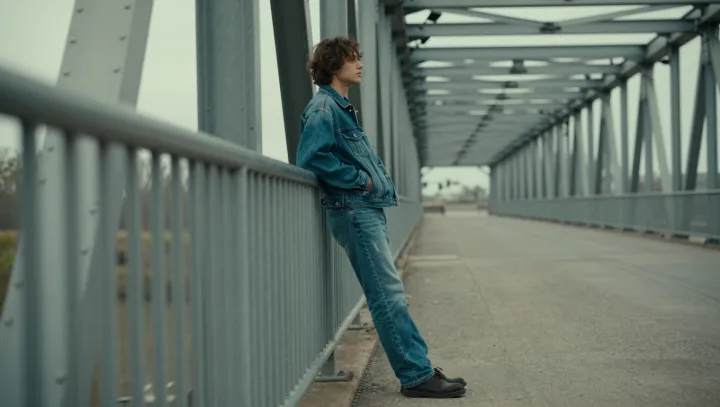
Rain, not sunshine, is the secret ally of cinematic photography. Hard, clear sun carves brutal contrast that cameras struggle to record, while wet weather quietly fixes several technical problems at once. Under cloud, the sky turns into one giant diffuser; instead of a tiny point source, light arrives from a broad dome, which reduces irradiance differences between highlight and shadow and keeps contrast within a sensor’s dynamic range.
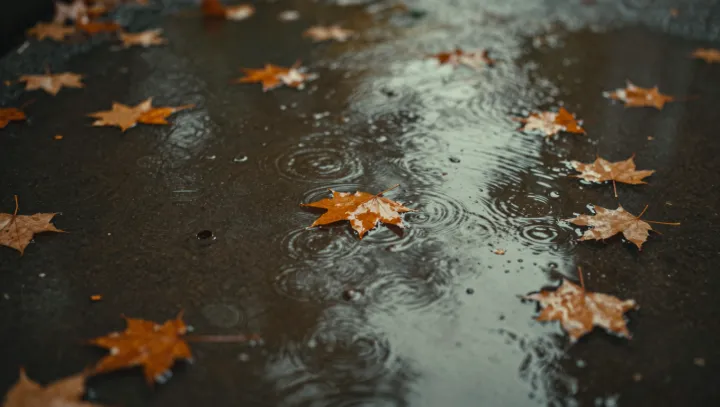
Even more radical is what happens on the ground. Wet asphalt becomes a giant, low‑cost mirror. Specular reflection and thin water films bounce light back into faces, doorways, and alleys, filling shadows that would otherwise clip to black. Those reflections also create double lines of neon, traffic signals, and storefront signs, stretching color into the frame the way a cinematographer would with controlled practical lights on set.
Color itself behaves differently in rain. Droplets darken many surfaces through increased absorption and reduced diffuse scattering, so pigments appear deeper while the overall scene luminance falls, a combination that makes saturation pop without blowing channels on the sensor. Airborne moisture also increases Mie scattering, slightly lowering micro‑contrast in the distance, which pushes backgrounds back and lets subjects separate cleanly in the foreground. Harsh sun might feel cheerful to the eye, but for a camera chasing drama and clarity, a wet, gray afternoon is often the sharper choice.