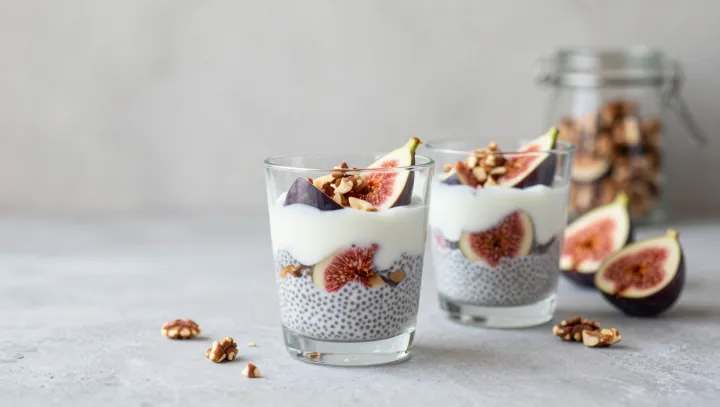
Inside a fig, death is the entry fee for sweetness. The fig is not a simple fruit at all but an inverted inflorescence, a syconium lined with hundreds of tiny flowers sealed from the outside world by a narrow opening called the ostiole.
Built into this structure is a ruthless contract. A pregnant female fig wasp forces her way through the ostiole, shredding her wings and antennae, then crawls across the inner wall to lay eggs in selected flowers while dusting others with pollen gathered from the fig where she was born. She cannot leave; her short adult phase ends inside this botanical chamber, where she dies on the floral surface that will later harden into the crunchy seeds you bite through.
So yes, you eat what is left of her. But not as a recognizable insect. As the fig ripens, plant-derived proteolytic enzymes, including ficin, break down the wasp’s tissues into amino acids and other small molecules, a biochemical digestion that erases wings, exoskeleton, and eyes. What remains is incorporated into the fig’s own cellular matrix, indistinguishable from its sugars, fibers, and seed coats, yet inseparable from the pollination service that made the fig possible at all.