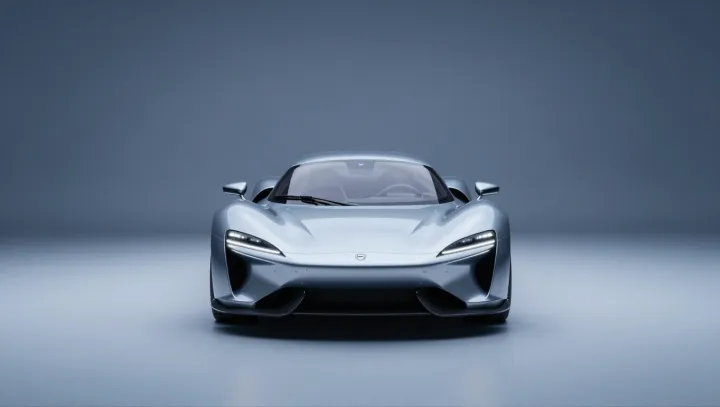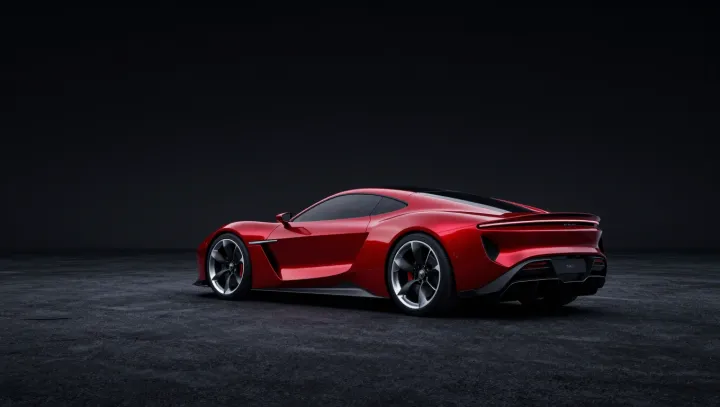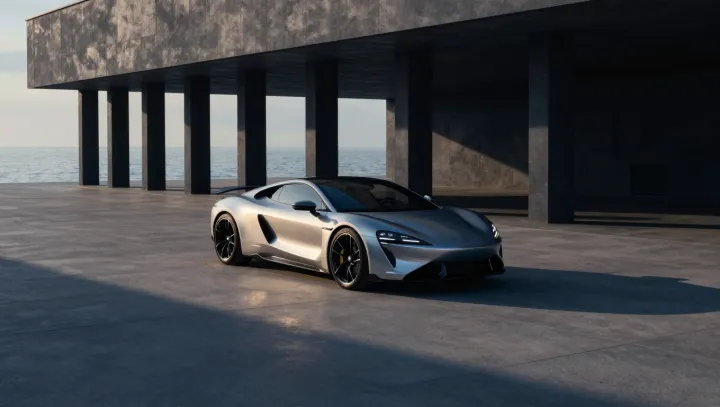
Sharp corners, not soft nostalgia, define the e-Legend. The concept insists that a low, long, ’60s-style coupe can still host a serious electric drivetrain and automated driving stack. Under that cab-backward silhouette, a flat battery pack sits between the axles, the classic “three-box” stance stretched just enough to clear impact structures and crumple zones.
The real surprise is packaging discipline. Short overhangs hide energy-absorbing crash beams and deformable structures, while the upright glasshouse preserves visibility needed for sensor redundancy instead of just retro flair. Lidar, radar, and camera modules are tucked into grille and pillar elements, turning chrome-like strips into functional apertures rather than costume jewelry. Interior volume comes from wheelbase, not roof height, so headroom and airbag deployment space coexist with that low beltline.
More radical is how autonomy reshapes the cabin without betraying the outline. The steering interface retracts, but the dashboard remains a horizontal slab, now filled with high-resolution displays and drive-by-wire controls. Human-machine interface logic, not fake wood, drives the graphic treatment. The result is a car that reads as a classic coupe from a distance yet meets electric thermal management needs, pedestrian protection geometry, and structural crash load paths up close, proving retro proportions can still carry modern seriousness.