A single slope can carry three names. One community calls it a mountain, another a peak, a third a ridge, and the rock itself does not change. What shifts is the quiet judgment packed into each noun, a kind of linguistic contour line that traces emotion as much as elevation.
Words for high ground rarely behave like neutral labels; they act more like a ranking system. In toponymy and cultural geography, researchers note that terms linked to sacred stories, herding routes or border defense tend to be promoted to mountain status, while identical geomorphology nearby is dismissed as a mere ridge. Height, gradient and relief matter, but social memory, pilgrimage traffic and even property law often matter more.
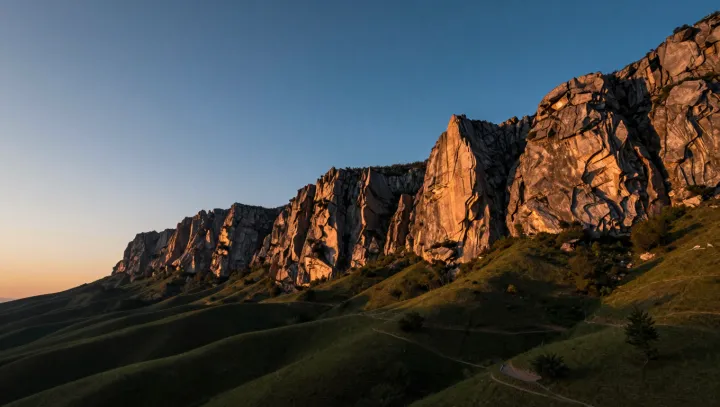
So the divide between mountain, peak and ridge is less a geological boundary than a verdict on shape and significance. A sharp summit that dominates a valley is singled out as a peak, even when its absolute altitude matches a rounded neighbor that languishes as a ridge. Map symbols and digital elevation models may standardize contours, yet local speech keeps its own taxonomy, reminding cartographers that no scientific classification fully erases the value judgments carved into everyday names.