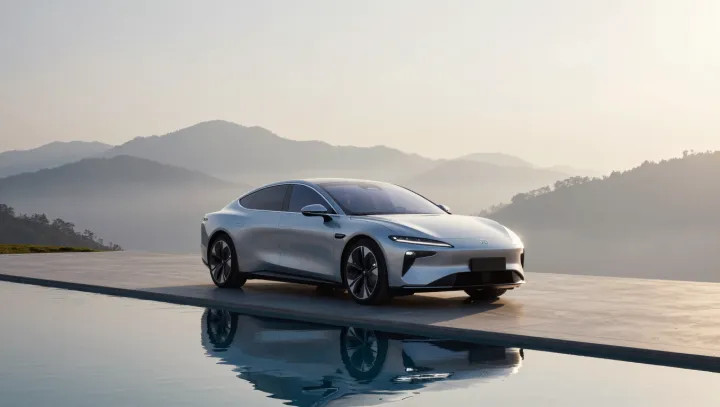
BMW’s i Vision does not behave like a car. It behaves like a powered shell for code, where electric motors and battery packs are just hardware endpoints for a software-defined vehicle architecture.
The bold claim is that horsepower now matters less than firmware. Under the smooth body sits a fully electric drivetrain tied into a high-bandwidth central compute unit, which runs energy management, torque vectoring and thermal control as if they were apps on a phone OS. Sensor fusion, from lidar to radar to interior cameras, feeds a continuous stream of telemetry into that stack, turning every trip into training data for the next over-the-air update.
More radical is the idea that ownership becomes a subscription to features, not a fixed spec sheet. Interface layouts, driver-assistance thresholds and even accelerator response can be pushed or rolled back via cloud services, enabled by secure over-the-air protocols and encrypted vehicle-to-backend links. In this model, depreciation is less about mechanical wear and more about whether the software stack keeps pace with new human–machine interface standards.
Skeptics will say this is just marketing gloss on an electric prototype, yet the direction is clear: the i Vision treats sheet metal like a chassis for data rights, app stores and continuous integration pipelines, raising the question of whether the most valuable part of a BMW will soon live in its source code, not its steel.