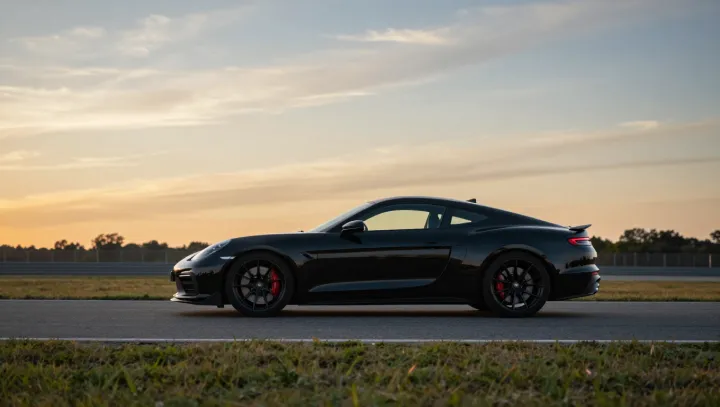
The Toyota 86 is treated like forbidden fruit in a market obsessed with raw numbers. Its engine output is modest, its speed figures unremarkable, yet it sits on bedroom walls where supercars used to go. That contrast is not a bug for purists; it is the entire brief.
At the core is a belief that sensation beats specification. A naturally aspirated flat four, a low center of gravity and rear wheel drive give the car classic front‑engine balance, so weight transfer and slip angle become something a driver can read, not fear. Steering is light, the clutch is simple, the body is narrow; instead of overpowering the tires, the car asks the driver to supply the drama.
For many enthusiasts, that restraint feels radical. Electronic driver aids stay unobtrusive, the manual gearbox is still the default choice, and the skinny tires surrender grip early enough that limits arrive at legal speeds. Every small mistake becomes feedback, every clean corner a small private victory. In an era of launch control and overwhelming torque, the 86 is valued precisely because it makes the driver, not the power output, the main performance variable.