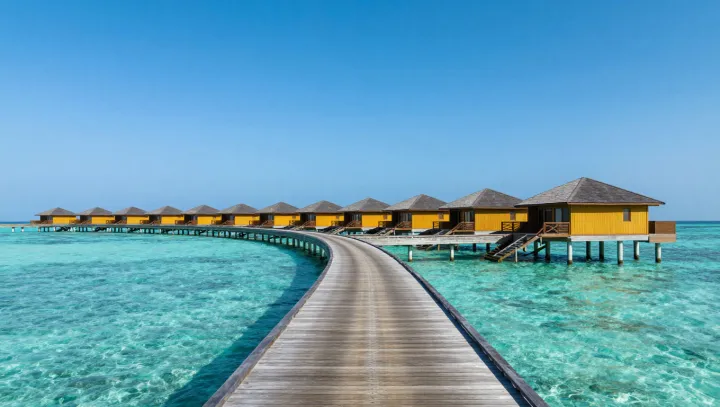
Water, not land, sets the rules here. In this low‑slung nation, where natural ground barely clears the tides, concrete walls look less like security and more like a slow‑motion surrender. So officials and marine engineers are betting on something far more audacious: living coral as national infrastructure.
The bold claim is simple. A healthy reef is a breakwater that repairs itself. Field surveys show shallow reef crests can dissipate most incoming wave energy before it reaches the shore, through bottom friction and wave breaking that coastal hydrodynamics models can quantify in detail. As storms intensify, branching corals and massive coral heads increase surface roughness, converting destructive swell into turbulence and heat rather than coastal erosion.
Equally radical is the idea that growth, not height, is the real defense budget. Through calcium carbonate accretion, reef‑building corals can vertically track gradual sea level rise, something static sea walls cannot do without endless capital dredging and reinforcement. Restoration teams are installing modular reef frames, seeding them with resilient coral fragments, and positioning them to create a staggered underwater barrier that protects lagoons while still feeding local fisheries and tourism.
Skeptics argue this is ecological wishful thinking. Yet early monitoring of engineered reef sections shows reduced shoreline retreat, clearer water and higher fish biomass compared with adjacent, unprotected sites. Instead of a single hard edge between ocean and state, this country is trying to build a wide, living buffer zone, where every new coral polyp is both habitat and fortification.