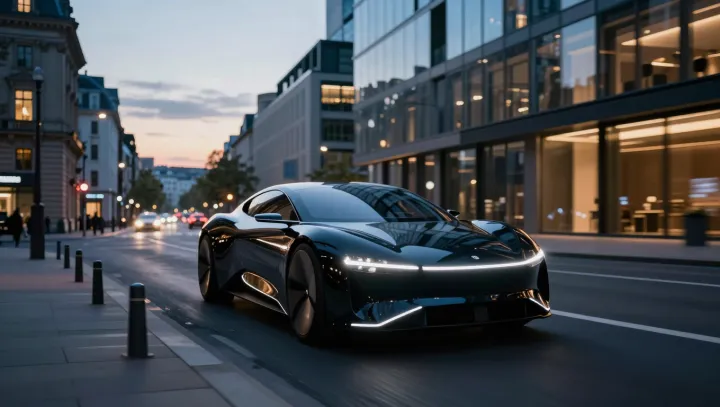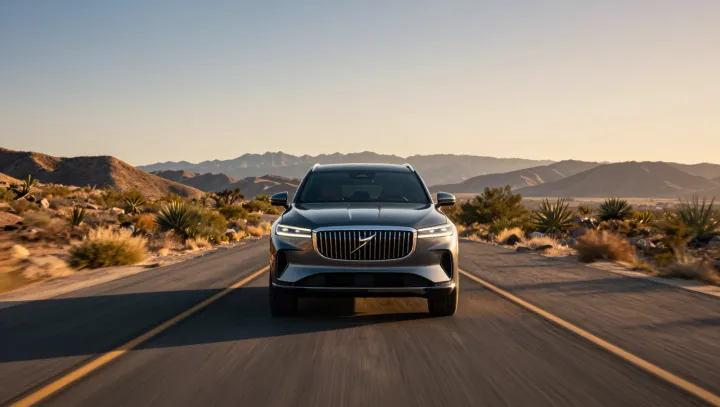
Physics is not impressed by marketing, yet this powertrain still looks audacious. A 2.4‑liter turbo engine on its own is limited by displacement, thermal losses, and turbo lag, but the plug‑in hybrid system changes the job description, letting combustion focus on steady, efficient work while the electric side handles the violent part of acceleration.
The bold claim is simple. Instant shove comes from the electric traction motor, whose peak torque arrives at low shaft speed, sidestepping turbo lag and poor low‑rpm volumetric efficiency. The engine can run closer to its brake specific fuel consumption sweet spot, because the battery buffers demand spikes. That load shifting, a basic thermodynamics play, means less time spent in wasteful transient operation.
The real trick is not magic torque but smart energy bookkeeping. Regenerative braking converts kinetic energy back into battery charge instead of dumping it as heat in friction brakes, then that stored energy supports wide‑open throttle bursts without equivalent fuel burn. Meanwhile, an optimized Atkinson‑like valve timing strategy and high compression ratio push thermal efficiency upward, so when the 2.4‑liter does work, each unit of fuel yields more crankshaft output.
What looks like a physics cheat code is only careful system design. By separating torque delivery from fuel consumption in time, and by cycling energy through the battery rather than wasting it as heat, the plug‑in hybrid lets a modest turbo engine hit sports‑car numbers on the spec sheet while still behaving like a calm commuter between stoplights.