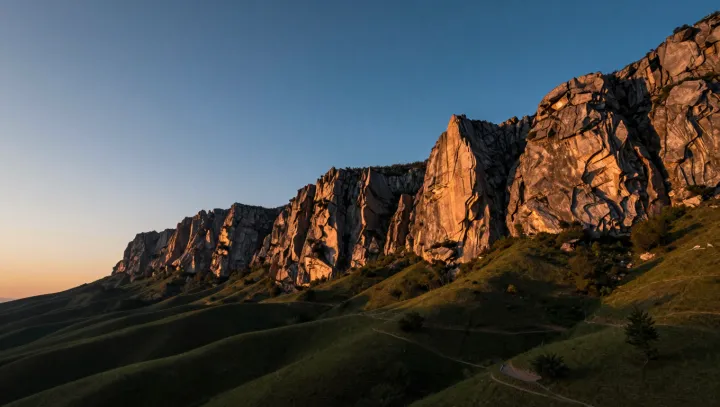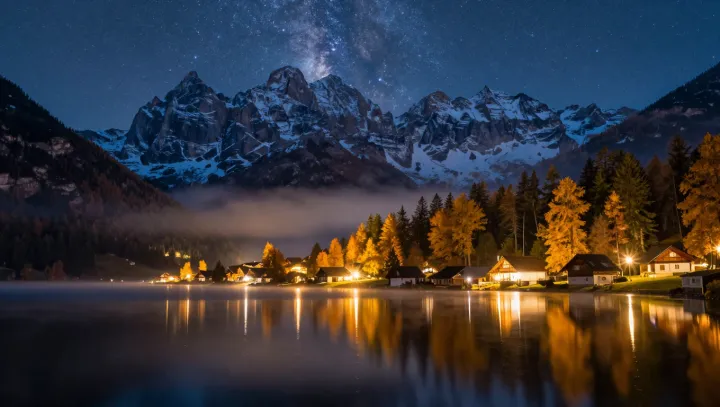
From the valley, the summit seems settled, almost static. On the inside, it is anything but. The rock tower above Garmisch-Partenkirchen sits on a collision zone where the African and Eurasian plates grind together, forcing the crust to rise a few millimetres at a rate that, over human lifetimes, feels like nothing and over geological spans rewrites entire ridge lines.
More fragile than it looks is the crown of that peak. Water seeps into hairline joints, then freezes and expands in a process geologists label frost wedging, turning narrow cracks into open fractures that pry blocks away from the face. Each thaw sends loosened slabs and gravel downslope under plain old gravity, a chain of rockfall and debris flow that geomorphologists group under the term mass wasting, stripping height even as tectonic uplift adds it back.
What appears permanent is really a moving balance sheet. Uplift from plate tectonics deposits vertical gains; frost and gravity withdraw them through mechanical weathering and slope failure, sometimes with sudden collapses, more often as an almost invisible trickle of grains. From Garmisch-Partenkirchen, the outline looks unchanged, yet every season edits the profile, until the “same” mountain is, in structural detail, no longer the one last seen from the church square.