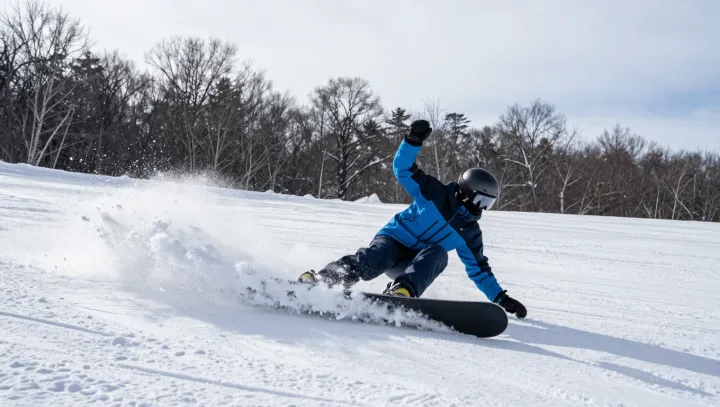
Impact, not speed, is the real villain in downhill sport, say coaches who now teach athletes to crash on purpose. In controlled sessions, riders repeat low‑height falls while instructors drill three habits: keep limbs bent, protect the head, slide rather than stick. Motion‑capture systems and force plates show how these moves spread deceleration over distance and time, cutting peak ground reaction forces.
Counterintuitive, though, is how much science now sits behind what once looked like pure chaos. Sports engineers talk about impulse and angular momentum, not bravery, when they explain why rolling the torso and tucking the chin reduce torque on the cervical spine. Data from instrumented helmets and chest sensors reveal that coached fall patterns can lower rotational acceleration on the brain by large percentages compared with untrained flailing.
Even equipment design is starting to assume that crashing is inevitable, not exceptional. Protective pads and back protectors are tested with drop rigs that mimic sliding, tumbling and side impacts, then refined so foam density and shell geometry match the trained movement path of a falling body. Where past culture glorified staying upright at any cost, the emerging metric is different: how gracefully, and how intact, an athlete returns from the ground.