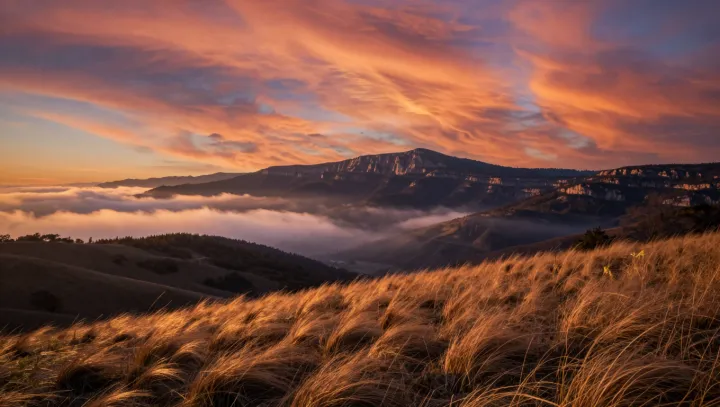
Light, not software, is the real color engine of your sunrise and sunset photos. Shift the camera, and you shift how the sensor samples that engine, especially as the sun climbs from just-below-horizon to low and then higher angles. At grazing angles, air molecules scatter short wavelengths, described by Rayleigh scattering, so a tiny tilt up or down can swing your frame from cold blue foreground to dense red sky in one move.
The bold claim is this. Five simple moves can remake mood without touching a slider: pan, tilt, zoom, sidestep, and reframe the horizon. A slow pan away from the solar disk cuts direct glare, lowers dynamic range, and lets subtle chromatic gradients register. A slight tilt down packs more ground into the frame, muting saturated warm tones with neutral surfaces, while a tilt up exaggerates saturated reds and oranges because the sensor records a longer optical path through the atmosphere.
The most radical shift comes from horizon placement and lateral movement. Drop the horizon low and the sky dominates, compressing silhouettes and pushing color contrast; raise it and the same light reads as quiet, anchored by darker terrain. A small sidestep changes the angle of specular reflection on water or glass, altering luminance and perceived color without any pixel editing at all.