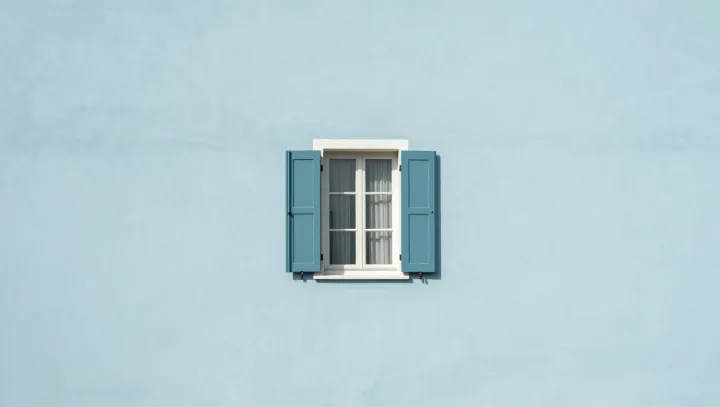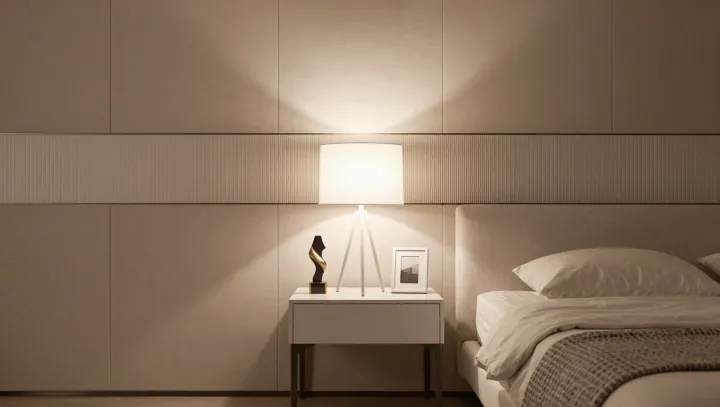
White walls are not the villain; the wrong light is. Under cool high‑Kelvin LEDs, a minimalist room reads like a clinic, yet the same surfaces soften under warmer color temperature, closer to late‑afternoon daylight, which research on circadian rhythm links to lower cortisol and slower heart rate.
The bolder claim is this: texture does more emotional work than color itself. A pale wool rug, open‑pore oak, a linen sofa cover — all within a narrow neutral palette — change the way sound, light, and even air currents behave, reducing reverberation and visual glare, which environmental psychology associates with reduced perceived stress and shorter recovery time after mental effort.
Most underestimated of all is negative space, the so‑called empty floor and bare wall. When circulation paths widen and objects sit with visible breathing room, the visual cortex processes fewer competing stimuli, a form of cognitive load reduction that imaging studies tie to calmer default‑mode activity. Minimalism feels cold only when these three levers are ignored; tuned together, they turn absence into a quietly regulating presence.