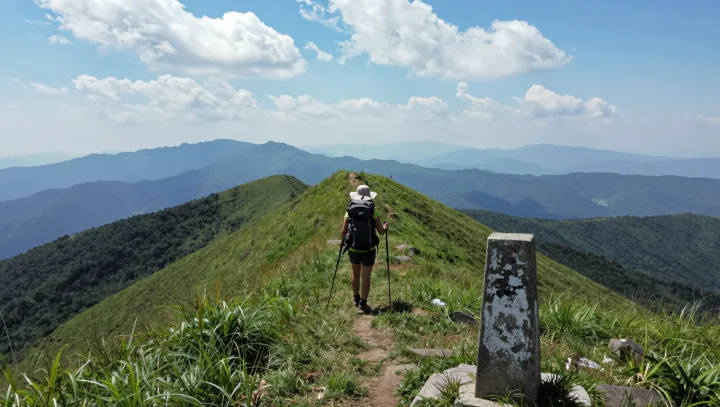
An “easy” hill is often anything but for an aging body. As slope rises even slightly, oxygen consumption and heart rate can jump toward the same relative intensity as a brisk run, especially when diastolic stiffness and reduced stroke volume narrow the heart’s reserve.
The real shock is mechanical, not scenic. A short incline multiplies knee joint reaction forces and patellofemoral pressure, while weaker quadriceps and reduced proprioception push older walkers into shorter, less stable steps that spike fall risk and aggravate osteoarthritis pain rather than building strength over time.
The smarter move is to treat a hill like a stress test in disguise. A quick resting blood pressure check, a simple talk test to flag exertional dyspnea, and a review of medications that affect heart rate or fluid balance can filter out those for whom the climb quietly becomes ischemia, arrhythmia, or syncope waiting to happen.
Low-tech screening still outperforms bravado on the trail. Brief warm-up on flat ground, conservative pacing on the first incline, and preemptive use of trekking poles or supportive footwear can redistribute load across the kinetic chain, letting older adults earn the cardiovascular benefit of elevation without paying for it in cartilage and scar tissue.