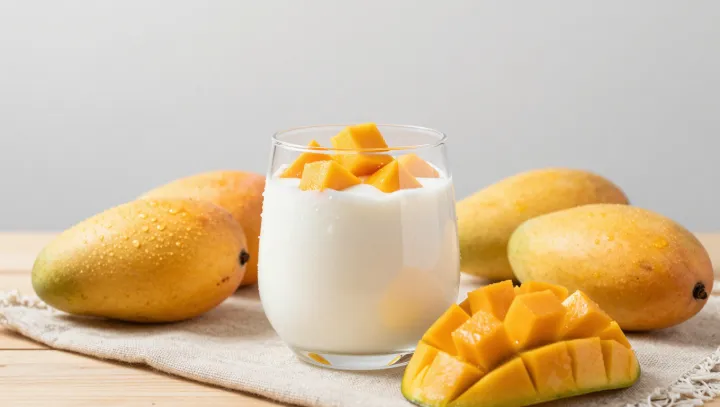
That mango is not sweeter; your brain is. On the plate sits the same load of sucrose, fructose, and glucose, yet a pinch of salt and a streak of lime juice flip the sensory verdict from pleasant to almost candy-like.
Salt, first of all, is a ruthless editor. Sodium ions flood taste buds and partially block some bitterness-sensitive receptors, while also sharpening activity in sweet-sensitive receptors that use G protein–coupled signaling. The result is not added sugar but a cleaner signal: fewer bitter notes, less metallic edge, more bandwidth left for sweetness to dominate the neural traffic heading from the tongue to the gustatory cortex.
Lime then changes the rules again. Citric acid lowers pH in the mouth, increasing saliva flow and helping dissolve and disperse the mango’s soluble sugars more evenly across the tongue. That acidity also creates contrast: by activating sour pathways, it makes the sweet response feel like a counterpunch, a classic case of sensory contrast enhancement that psychophysics experiments describe when opposing taste modalities are presented together.
What feels like a simple kitchen habit is really a tight chemical negotiation between ion channels, receptor kinetics, and perception, all staged on the surface of a slice of ripe fruit.