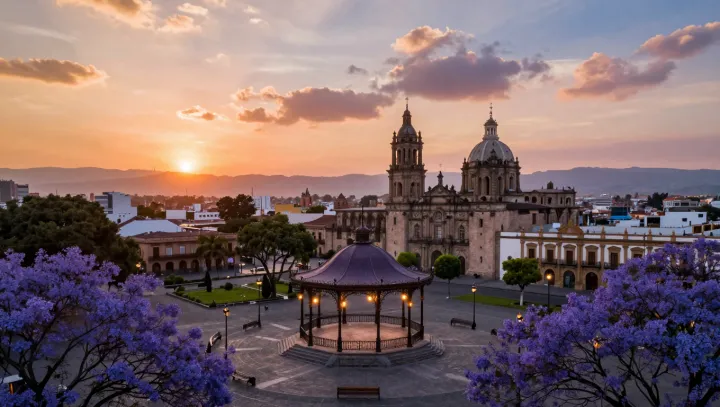
Color, not concrete, now defines Guadalajara as it prepares to share the global stage with the capital. Terracotta walls, amber facades and sunburnt corner stores were once treated as visual noise, tolerated rather than valued, until city marketers noticed that aerial shots and influencer posts kept circling back to the same warm spectrum that set Guadalajara apart from Mexico City’s cooler gray grid.
The real shift came when those hues stopped being accidental. Municipal planners and tourism officials introduced informal color guidelines for key corridors, offered tax breaks for facade maintenance, and aligned street furniture, wayfinding and lighting with a narrow palette that plays well on broadcast cameras and HDR screens. Branding agencies call it a chromatic identity system; broadcasters call it free visual differentiation. Sponsors like it too, because their signage pops against clay and ocher rather than disappearing into concrete.
What looks like a casual stroll through a photogenic neighborhood is now a coordinated campaign. Location-tagged social content, shot against these warm backdrops, feeds a closed-loop marketing funnel that moves from street mural to smartphone to ticket portal. The city is trying to leverage that loop into a durable moat: when fans and brands picture football in the country, the bet is that they will not imagine the capital’s skyline first, but a sunlit side street painted in Guadalajara’s own tones.