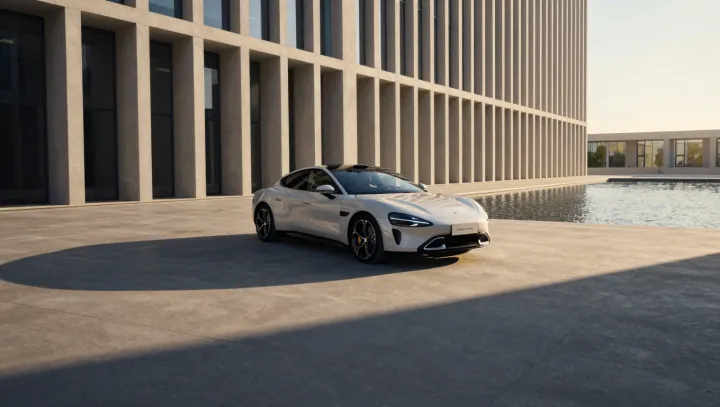
Modern sedans are not styled, they are engineered compromises with the wind. A low, smooth body mimics an airfoil on wheels, and that shape is tuned less for showroom drama than for drag coefficient. By lowering the frontal area, rounding the nose and stretching the roofline into a gentle taper, designers can cut aerodynamic drag by more than thirty percent compared with boxier predecessors.
The payoff is blunt. Less drag means less fuel burned to overcome aerodynamic resistance, which dominates the power demand at highway speed where the drag force scales with the square of velocity. Engineers chase stable laminar flow over the roof and controlled turbulent wake behind the trunk, using wind tunnel testing and computational fluid dynamics to trim vortices that sap energy and shake the cabin.
The quiet cabin is no accident either. A cleaner pressure distribution around the body reduces broadband wind noise at the A‑pillars and mirrors, so the same sleek profile that stretches a car’s range also softens the soundtrack. Style, in this segment, has become aerodynamic performance wearing paint and chrome.