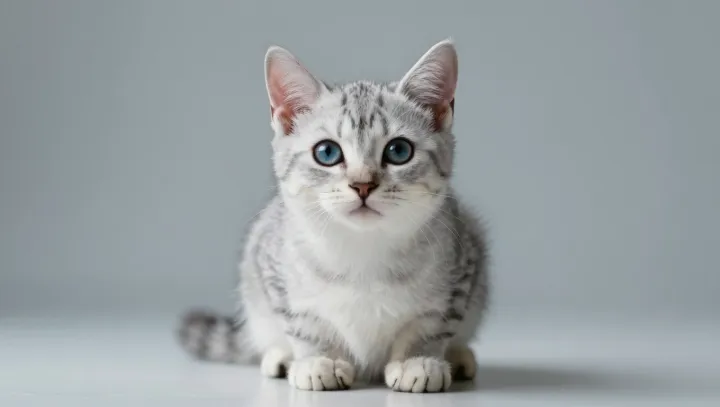
That blunt, round face misleads. Behind it sits a working phenotype shaped not for display but for rodent control, as cats that could hunt, recover, breed, and live beside people were retained while less useful animals left fewer descendants. The coat gives little away. The reputation began in barns, stores, and ships, where food loss made prey drive an economic trait.
Hardiness is not an accident. Selection acted on a cluster of heritable traits, including sturdy conformation, sensory alertness, coordination, and a temperament able to remain effective in noisy human settings, rather than on hunting talent alone. Mice supplied the audit. A cat that caught prey but fell ill, avoided people, or failed to reproduce could not sustain its line, so artificial selection favored durable all-purpose workers over fragile specialists.
Yet the legend needs restraint. Breed ancestry changes probabilities, not destinies, because predatory behavior is polygenic and each cat is shaped by health, early experience, and opportunity as well as inherited disposition. Lineage is not prophecy. Still, when an American Shorthair watches a floorboard with patient intensity, the pose recalls an older bargain: shelter and scraps in exchange for vigilance.