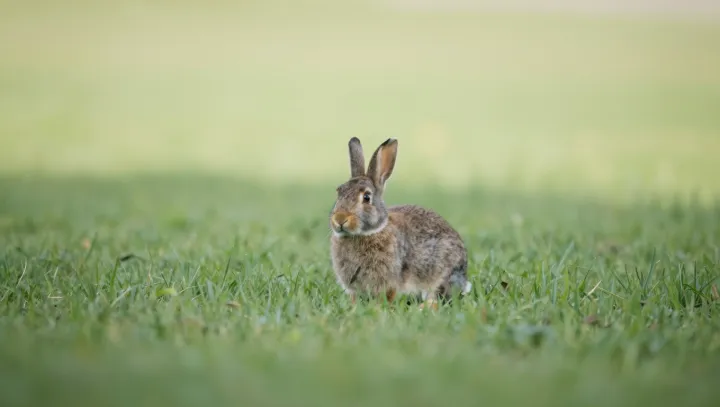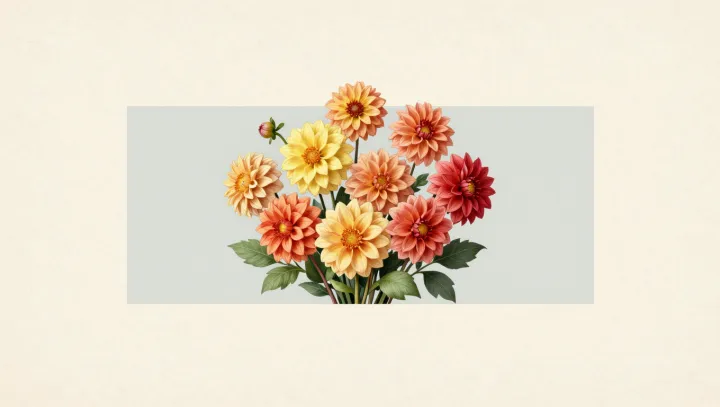
A modest wildflower from Mexican highlands now blooms as a botanical diagram in public gardens. Those oversized, perfectly radial dahlias did not come from genetic engineering or species mixing. They arose from patient, iterative selection applied to one highly variable species, as growers repeatedly chose plants whose petals, discs and stems best matched their visual targets.
The dahlia’s tuberous root system and high baseline mutation rate created raw material for change, while its polyploid genome amplified phenotypic variation without breaching species limits. Breeders exploited Mendelian inheritance and quantitative trait loci long before those terms were coined, crossing only compatible plants yet tracking traits such as floret symmetry, inflorescence size and branching habit. Over many cycles, this directional selection compressed random diversity into tightly defined horticultural classes.
Modern cultivars display near-perfect phyllotaxis, concentric rings of florets and flower heads wider than a human face, but taxonomists still place them within the same species complex as their wild ancestors. No hybridization with other genera and no transgenic tools were required; the process relied on recombination, inbreeding and culling. For botanists, these cultivars now function as a case study in artificial selection, showing how far human preference can sculpt morphology while leaving the species boundary formally intact.