A small evergreen shrub in East Asian forests carries two very different identities: Camellia sinensis powers the global tea trade, while its cousins fill gardens with layered blossoms. Both stories begin with a wild understory plant adapted to cool, humid slopes, where glossy leaves, thick cuticles and persistent evergreen growth maximized photosynthesis under filtered light.
Within those leaves, secondary metabolites set the stage for commerce. High concentrations of caffeine and catechins, products of nitrogen metabolism and oxidative pathways, deterred insects yet produced the bitterness, aroma precursors and stimulant effect that traders later monetized. As tea cultivation spread along caravan routes and shipping lanes, growers selected bushes with higher caffeine yield, stable shoot flushes and predictable bud density, turning a forest shrub into an agroindustrial crop with a vast value chain.
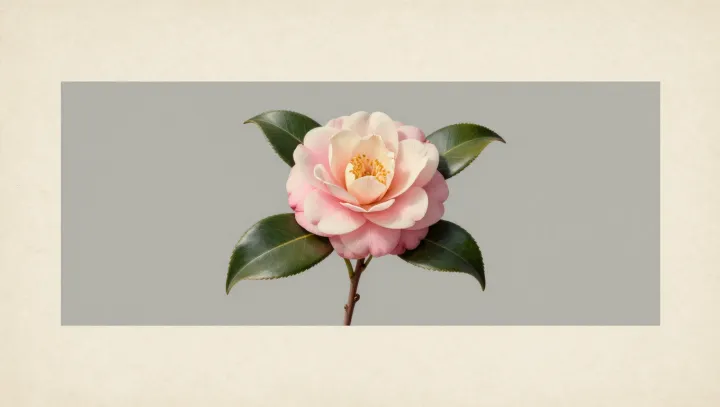
A parallel trajectory unfolded in gardens. Related camellia species and hybrids, sharing the same evergreen habit and bud structure, were bred not for alkaloid content but for floral morphology. Horticulturists manipulated petal number, pigmentation and flowering phenology, using basic principles of floral meristem development and Mendelian inheritance to create double, peony form and variegated blooms. While industrial tea estates optimize leaf plucking efficiency and processing throughput, ornamental breeders chase color gradients, symmetry and cold tolerance. The humble camellia thus anchors two systems of value, one measured in export volumes and daily caffeine intake, the other in winter garden brightness and the quiet prestige of a well-timed bloom.