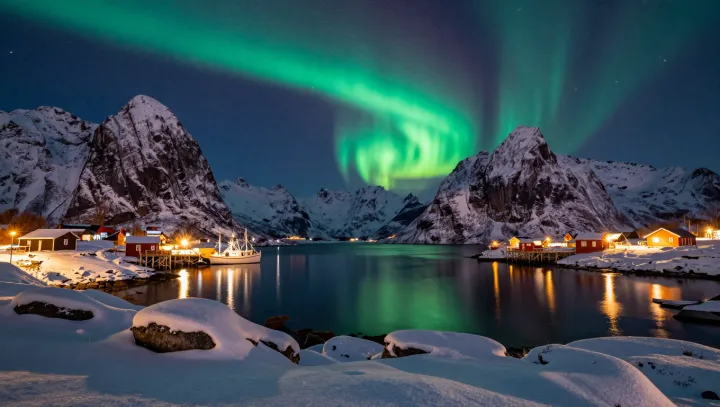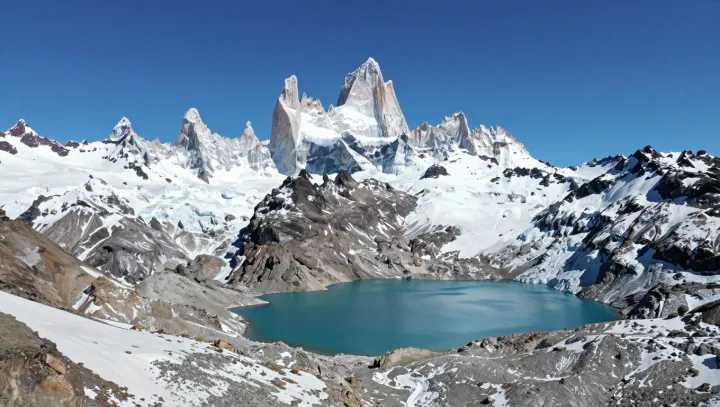
The Alps now function less as a single mountain range and more as a shorthand for a certain kind of landscape prestige. When Japan markets the Japanese Alps, when New Zealand promotes its Southern Alps, and when the United States labels ranges as the American Alps, they are not copying European topography so much as licensing its symbolic capital.
Geographers describe this as a form of place branding, in which one location borrows the semiotic surplus of another to accelerate recognition and drive visitor conversion. The original Alps, long tied to Romanticism and elite leisure, accumulated a kind of cultural compound interest: spectacular ridgelines plus ski resorts plus luxury hospitality produced a durable brand with high perceived marginal utility for tourism economies far beyond Europe.
That brand then migrated through guidebooks, travel photography, and mass media, creating a template others could plug into. By calling a range local Alps, officials compress a complex value proposition into a single word, promising altitude, drama, and a curated experience without enumerating geomorphology or climate data. The result is a global naming convention in which one mountain system becomes a reference currency for scenic worth, even as each set of Alps remains geologically distinct.