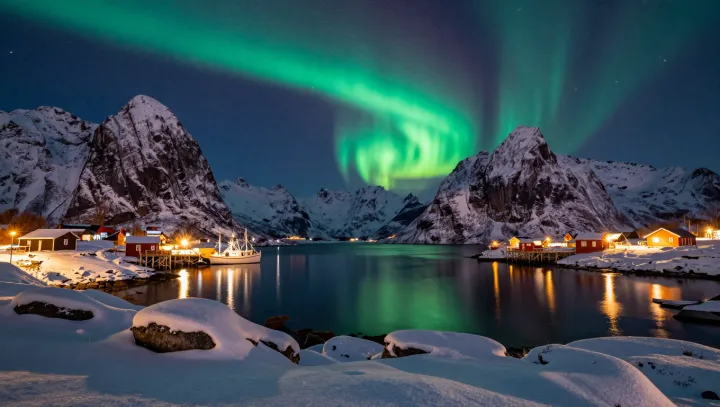
Steam rising from bare, black rock powers homes, factories, and data centers, even as nearby glaciers lock away vast stores of fresh water. On a young, restless piece of Earth’s crust, Iceland has turned volatility into an energy backbone that is almost entirely renewable.
The country sits astride a tectonic plate boundary and a mantle plume, where magma lies unusually close to the surface. That geology creates high geothermal gradients, allowing wells to tap superheated water and steam that drive turbines with no need for fossil fuel combustion. The same crustal forces that build volcanoes also fracture rock, improving permeability for geothermal reservoirs and turning what would be seismic risk into baseload power capacity.
Glaciers and intense North Atlantic precipitation feed steep rivers, enabling large-scale hydropower with high energy density. Reservoirs and dams provide grid stability and frequency regulation, complementing geothermal plants that already deliver continuous output. Together, these resources cut national carbon intensity while supporting energy-intensive industries such as aluminum smelting, which benefit from predictable electricity prices and long-term supply security.
Rather than being constrained by its sparse forests and harsh climate, Iceland exploits thermodynamics and plate tectonics as its primary infrastructure, using magma-heated aquifers and gravity-fed water as a combined system that turns raw geology into grid reliability.