A single tree can, over long spans of time, become a forest without ever producing a new individual. Instead of relying on seeds, some species expand through vegetative reproduction, sending out underground stems that sprout new trunks. Each stem segment carries the same genome, so every visible tree in the grove is, in genetic terms, one organism.
The biology behind this quiet expansion is straightforward but powerful. Lateral roots and rhizomes extend outward, then generate new shoot meristems that rise as separate trunks. These trunks share a continuous vascular network that moves water and photosynthates, effectively pooling resources and stabilizing the colony’s overall energy budget and basal metabolic rate. When outer trunks die, inner sectors continue, shifting the colony’s apparent center and exploiting local microclimates.
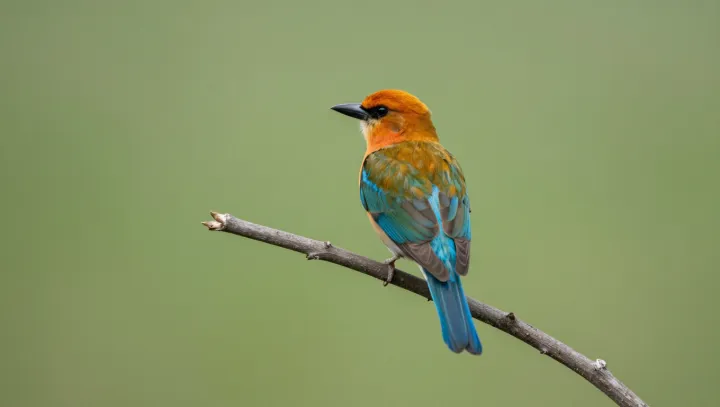
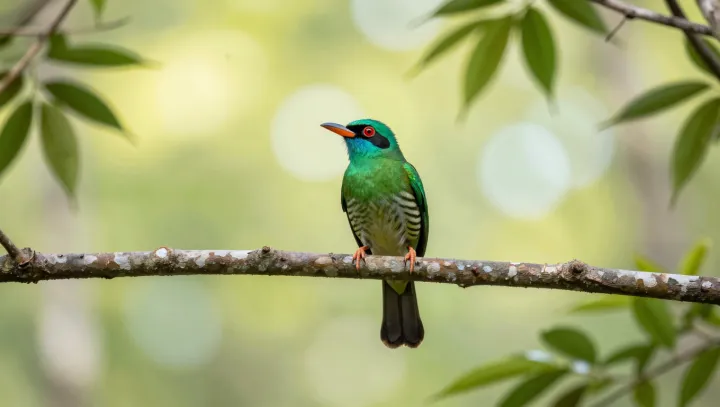
For birds, this sprawling clone functions as a single, reliable habitat node on a migration map. Dense, repeated crowns create layered canopy structure, offering nesting sites, thermal buffering and predator cover within one interconnected plant body. As flocks move across hundreds of kilometers, they encounter what appears to be a forest, but at the level of DNA and population genetics, it is one individual, extending its reach while entropy quietly reshapes the surrounding landscape.