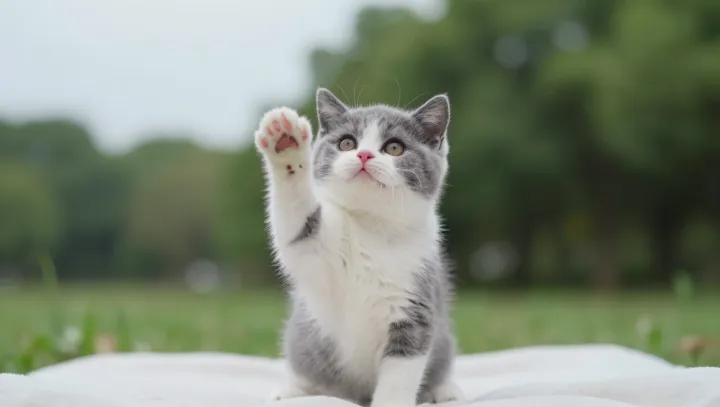
Shelter intake records keep pushing the same quiet conclusion: American Shorthair cats are unusually calm, robust, and easy to manage for first‑time owners. The pattern is not built on myth but on behavior metrics, health outcomes, and a long history of selective breeding for stability rather than spectacle.
The breed’s broad genetic diversity, shaped by centuries as working mousers rather than showpieces, supports a relatively steady baseline temperament and resilient immune function. Instead of chasing extreme body types, breeders tended to reinforce moderate body weight and balanced muscle mass, which in turn supports a stable basal metabolic rate and makes weight control simpler for inexperienced owners. Fewer structural exaggerations also mean fewer chronic orthopedic and respiratory issues that often drive up veterinary costs and anxiety for novices.
Behavior studies in shelters often flag American Shorthairs for low reactivity scores: they recover faster from novel noises, handling, and confinement, which reflects a more forgiving stress response and smoother socialization curve. That calm profile reduces the entropy of a new household, where litter training, feeding routines, and basic enrichment must all be learned at once. Staff can then focus on coaching humans, not firefighting constant behavioral flare‑ups. In that sense, the breed functions as a set of training wheels for the human side of the human‑cat bond, lowering the marginal effect of each beginner mistake while still delivering the full experience of living with a companion animal.
In the quiet rows of cages and stacked carriers, that low drama can matter more than any glossy coat or headline‑ready pedigree.