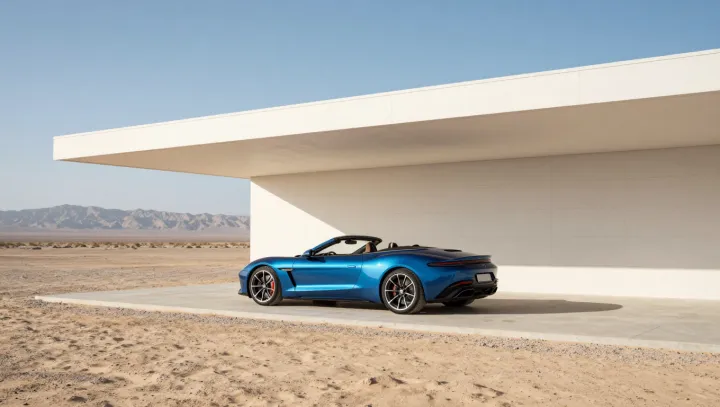
A modest sedan now covers a twisty road faster and safer than many classic supercars. The gap comes from systems and structure, not from cylinders or exhaust noise. Engine output matters less than how efficiently the car converts chemical energy into usable grip, stability and control.
Electronic stability control, anti‑lock braking and torque vectoring manage traction at a level no human can match. These systems constantly solve a vehicle dynamics problem, adjusting brake pressure and power in milliseconds to keep tires at an optimal friction coefficient. Traction control means a sedan can accelerate out of wet corners where an older supercar would spin its rear wheels and waste kinetic energy.
Modern tires and aerodynamics further shift the equation. High‑silica compounds, optimized tread patterns and better carcass design raise the limit of lateral acceleration and shorten braking distance. Computational fluid dynamics refines drag and lift balance, so a sedan stays stable at high speed without relying on crude wings that add drag and noise instead of consistent downforce.
Safety performance advances even more sharply. Crumple zones, multi‑load‑path crash structures and high‑strength steel manage impact forces so deceleration stays within survivable limits for the human body. Multiple airbags, pre‑tensioned seatbelts and advanced driver‑assistance systems reduce both crash probability and injury severity in normal traffic, not just on a test track.