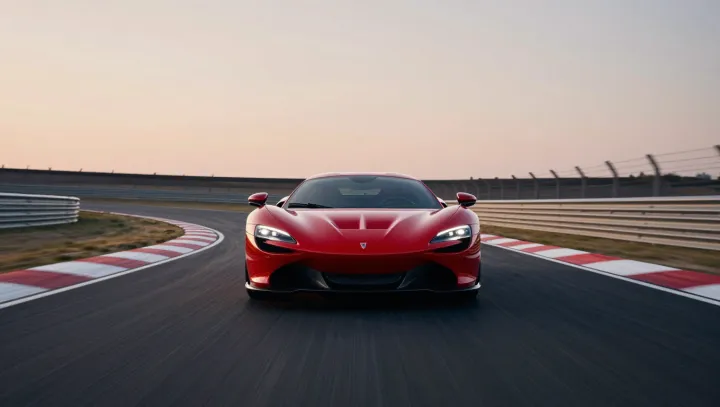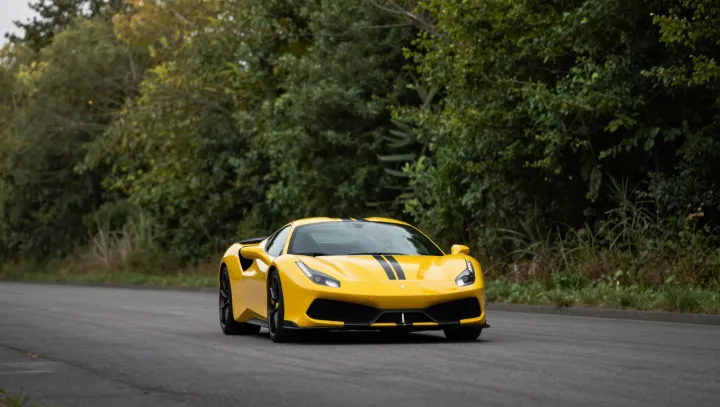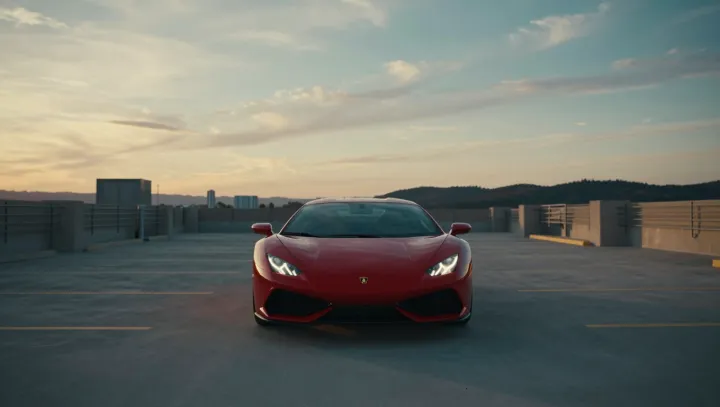
Ferrari’s hybrid era is less confession, more weapon. The SF90-style system does not bow to emissions rhetoric; it rewrites how a boosted V8 behaves under load.
At the core is a blunt idea: electric torque is there to fight physics, not guilt. Turbocharged engines suffer from transient response limits, as exhaust gas flow and turbine inertia delay boost. Ferrari’s energy recovery system and front-axle e-motors attack that gap, supplying instant torque while the turbochargers spin up, so the driveline feels like a single, continuous thrust curve rather than a surge that arrives late.
That choice reveals the brand’s priorities more clearly than any marketing line. Instead of chasing electric-only range, engineers treat the battery as a high-power buffer in a torque vectoring machine, using control algorithms and power electronics to shape crankshaft output the way traction control once shaped wheel slip. Hybridization here is a calibrator of combustion, a tool to sculpt brake mean effective pressure over each acceleration event.
So when someone equates Ferrari only with a screaming V12, they miss the quieter statement buried in the SF90’s control maps: electricity has joined Maranello not as conscience, but as a scalpel.