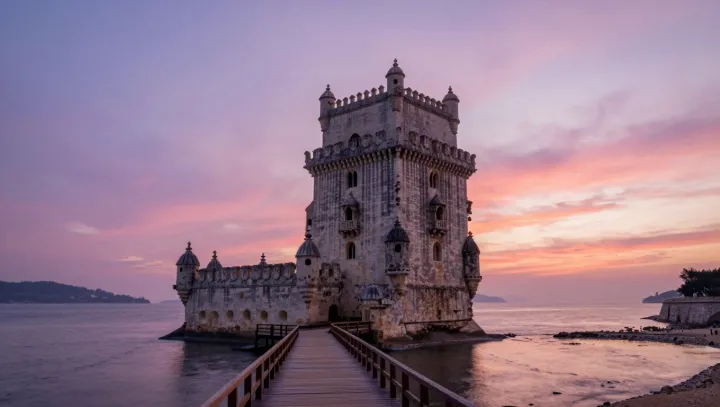
Manueline architecture was less an art movement than a brag carved in stone. Every rope, coral sprig, and sea monster announced that Portugal had turned distant oceans into hard currency and soft power, compressing maritime expansion into an instantly legible visual code for subjects and rivals alike.
At the core sat a political calculation: a small Atlantic kingdom needed a loud visual amplifier, so royal commissions fused late Gothic structure with maritime iconography, exotic flora, and heraldic emblems to project control over sea routes, bullion flows, and missionary networks, making cloisters and portals behave like illustrated balance sheets of imperial revenue and risk.
More than decoration, those stone ropes functioned as ideological infrastructure, tying together shipbuilding advances, cartographic knowledge, and mercantile capital into a single ornamental grammar that could be read by illiterate dockworkers and foreign envoys, fixing the memory of fragile sea power in buildings that promised endurance even if the trade winds shifted.