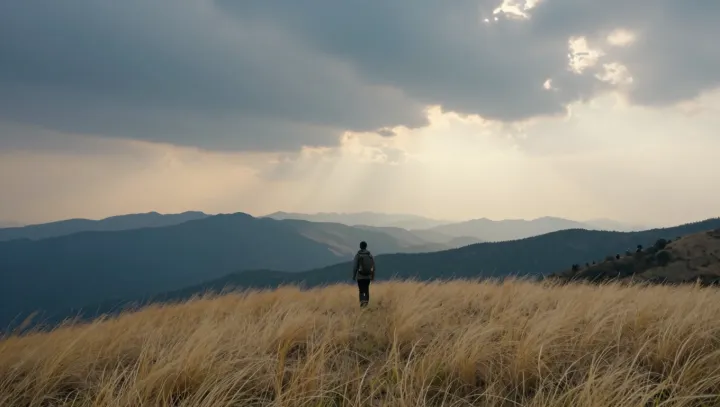
Silence is not the enemy of your social life; it is often the missing infrastructure. On a long solo trail, sensory input drops, cortisol levels fall, and the prefrontal cortex stops firefighting constant stimuli. Under that quieter load, the brain’s default mode network, the system tied to autobiographical memory and social reflection, starts to hum instead of sputter.
Crowded weekends, by contrast, can feel socially rich yet neurologically thin. Too many faces, too fast. Attention fragments. Oxytocin spikes are brief, while amygdala activation stays high as you scan for cues, jokes, status. In that churn, the hippocampus does little deep encoding, so conversations blur and emotional nuance fails to consolidate into lasting feelings of intimacy.
The hike works like a long, slow bandwidth upgrade. Feet move. Thoughts wander. With fewer external demands, the brain rehearses dialogue, runs social simulations, and performs what social neuroscience calls mentalizing, assigning motives and feelings to others with more nuance. That internal rehearsal strengthens synaptic traces of real relationships, so you step off the trail not emptied out, but socially updated.