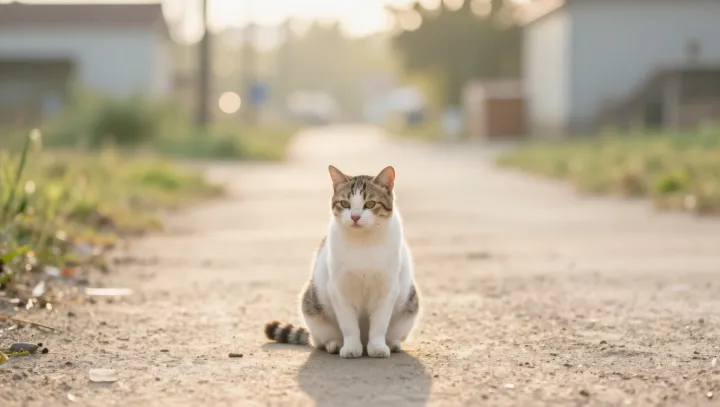
Big eyes and tiny paws often signal the opposite of what people think. Those plush, round‑headed kittens that look like porcelain ornaments are, in many cases, products of long, boring, successful domestication, not fragility. Under the cartoon‑level cuteness sit traits selected for generations: stable temperament, moderate energy output, and bodies that function reliably in average apartments with average humans.
The real surprise is how ordinary their biology is. Many popular “baby‑faced” breeds descend from broad, mixed foundations, which preserves genetic diversity and lowers the risk of inborn disease compared with narrow, fashion‑driven lines. Veterinary epidemiology data repeatedly show more trouble in intensely modified breeds with extreme skull shapes or elongated spines than in stockier, medium‑everything cats that just happen to photograph well. Cute does not equal delicate; extreme does.
Beginner‑friendly resilience is mostly about behavior, not aesthetics. Breeds shaped around household life tend to show low baseline cortisol, predictable social bonding, and a temperament that tolerates noise, schedule changes, and clumsy first‑time handling. That means fewer stress‑induced urinary issues, less fear biting, and more time spent doing what new owners actually want a cat to do: eat, sleep, play, repeat.
Care demands stay modest because their physiology is built for the middle of the bell curve. Many of these kittens have dense but not exotic coats, so routine brushing and basic nutrition satisfy skin, gut microbiome, and immune function. They regulate body temperature well, use litter boxes reliably, and adapt to standard indoor enrichment without elaborate climbing walls or specialized diets. Under the sugar‑sweet packaging sits a design brief that quietly optimizes for one thing: surviving, and even thriving, in the average living room.