A single glass eye on a thumb-sized puppet can hit harder than a stadium of digital warriors. In this stop-motion odyssey, that eye is the emotional engine, precisely because it is carved, painted, and physically flawed, catching light in ways no shader package quite predicts.
The film’s boldest choice is restraint. Instead of volumetric explosions and procedural crowds, it commits to incremental movement: a jaw shifted a millimeter, a brow nudged by a pin, a cloth cape reposed one fiber at a time. Each frame is a discrete exposure; each exposure carries a slightly altered lighting setup, with practical gels, barn doors, and small LEDs pushed or flagged between clicks of the camera shutter. This frame-by-frame modulation of luminance and contrast, closer to high-end cinematography than to keyframed CGI, turns the mythical world into a breathing organism rather than a rendered backdrop.
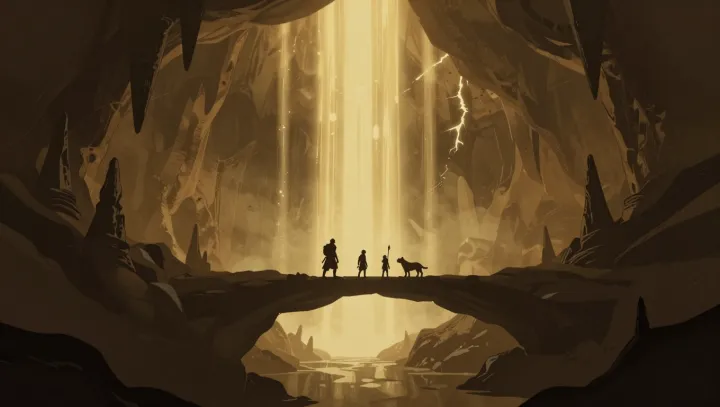
Emotional scale arrives through friction. Micro-scratches on the boy’s painted face, dust caught in backlight, tiny parallax shifts as the camera tracks across hand-built terrain: these imperfections generate a kind of visual parallax error in the viewer’s own perception, a reminder that something real is being risked in every shot. When the one-eyed boy crosses a glowing bridge or confronts a shadowed giant, the subtle strobing of practical light and the minuscule misalignments between frames create a nervous system of their own, persuading the audience that this fragile figure carries as much weight as any digital hero, precisely because he could chip, topple, or burn.