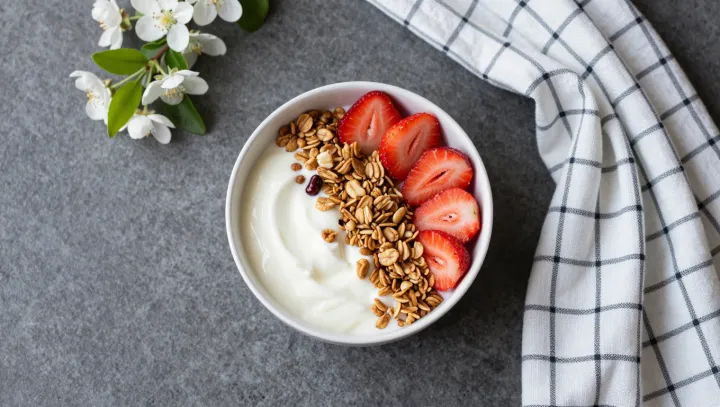
Steam rising from a battered saucepan explains food photography better than any glossy camera brochure. At the center of the profession, veterans argue, is not sensor size but proximity to heat, chaos and repetition inside real kitchens, where timing and observation are drilled long before a shutter is pressed.
The blunt claim from many top shooters is that a kitchen job functions as an unpaid masterclass in motion study and light behavior. Watching line cooks plate under harsh overhead LEDs, or tracking how oil bloom shifts specular highlights on a steak, trains an eye for micro‑changes in texture and contrast that no online tutorial can simulate, because the feedback loop is physical, fast and unforgiving.
Equally unfashionable, they say, is the sketchbook, yet it operates as the field’s quiet power tool. Rough thumbnails force decisions about negative space, leading lines and color hierarchy before any lens is chosen, turning composition into a repeatable design process rather than a burst of lucky frames, and building a visual memory bank that carries from phone cameras to studio medium format without losing intent.
Expensive bodies and lenses then become simple amplifiers. Without the muscle memory forged in kitchens and the previsualization habits etched on paper, the gear mostly records what happens; with them, it records what was planned all along.