Printed cloth, not policy, changed how war looked. On early battlefields, experimental camouflage broke up silhouettes, using irregular patches that confused depth perception and exploited Gestalt psychology in a very literal way. The goal was simple and unsentimental: make bodies disappear against mud, smoke, and shattered masonry, even when artillery optics improved and aerial views made older uniforms dangerously visible.
The odd twist is that this aggressive visual trick soon leaked into civilian life. Tailors and department stores, hungry for novelty, borrowed broken contours and scattered motifs, then softened them into buds, vines, and petals. What began as disruptive coloration, a concept borrowed from zoology, was edited by textile mills into smaller repeats, lighter grounds, and cheaper roller printing, translating battlefield logic into something that could circulate in city streets and suburban parlors without mentioning its origin.
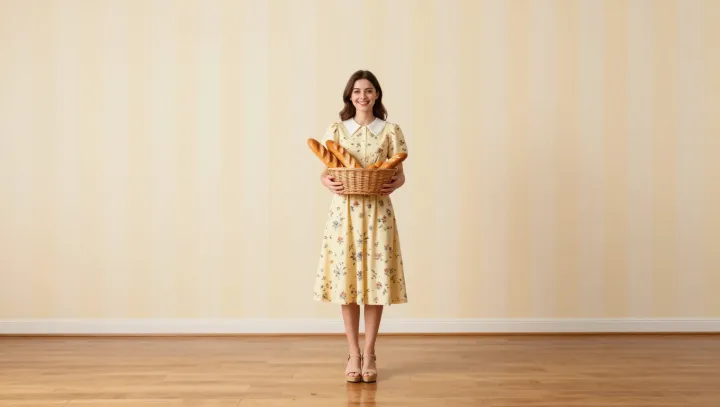
So the modern spring floral dress does not come from a timeless garden fantasy; it comes from a long negotiation with conflict. Designers learned that the same allover pattern that once hid soldiers could now smooth the outline of the body, blur the waist, and code femininity as gentle, decorative, and safely domestic. The print stayed busy. The story changed.